research
synaesthetics and expressionism in comics
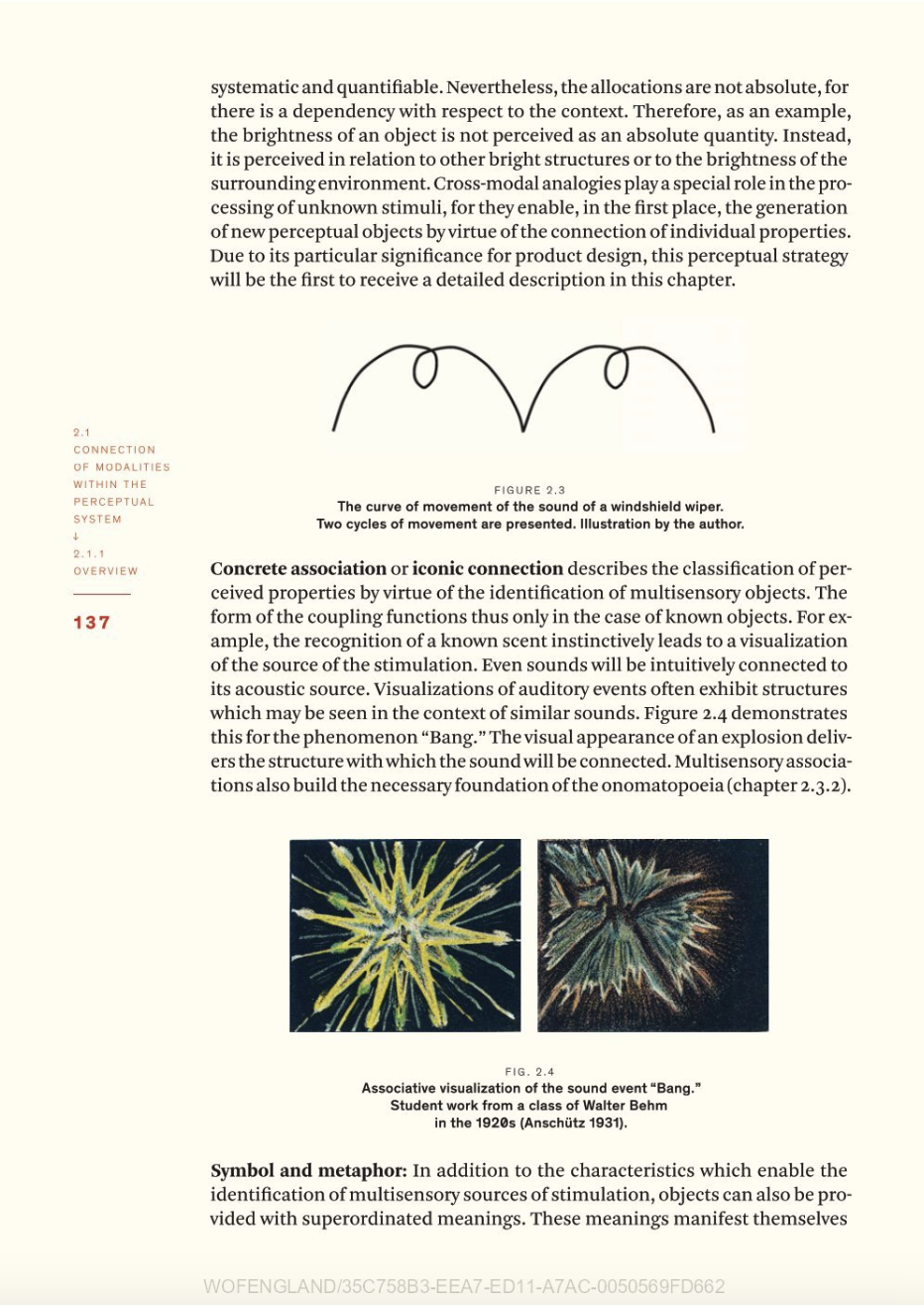
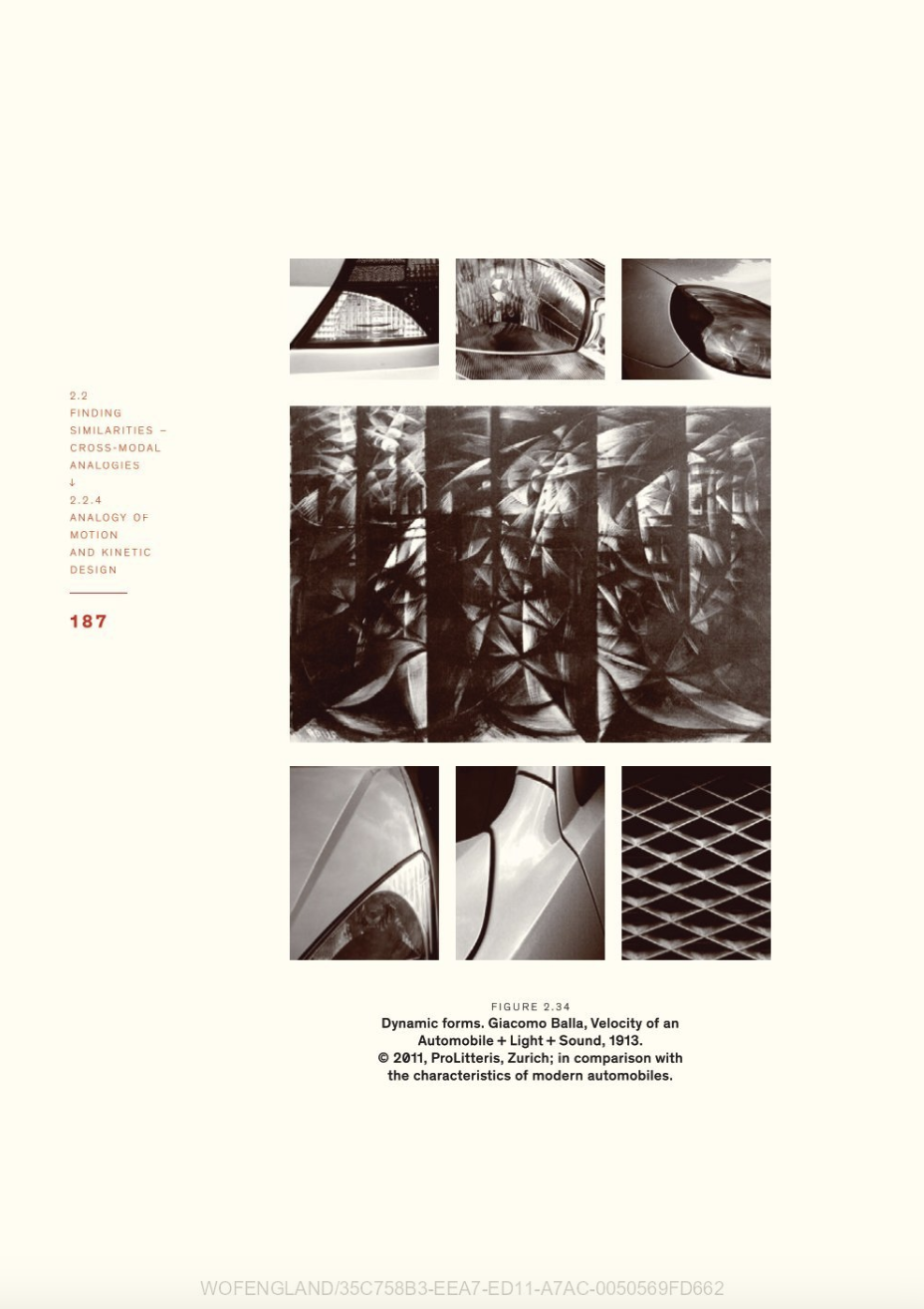
Synesthetic Design: Handbook for a Multi-Sensory Approach Michael Haverkamp
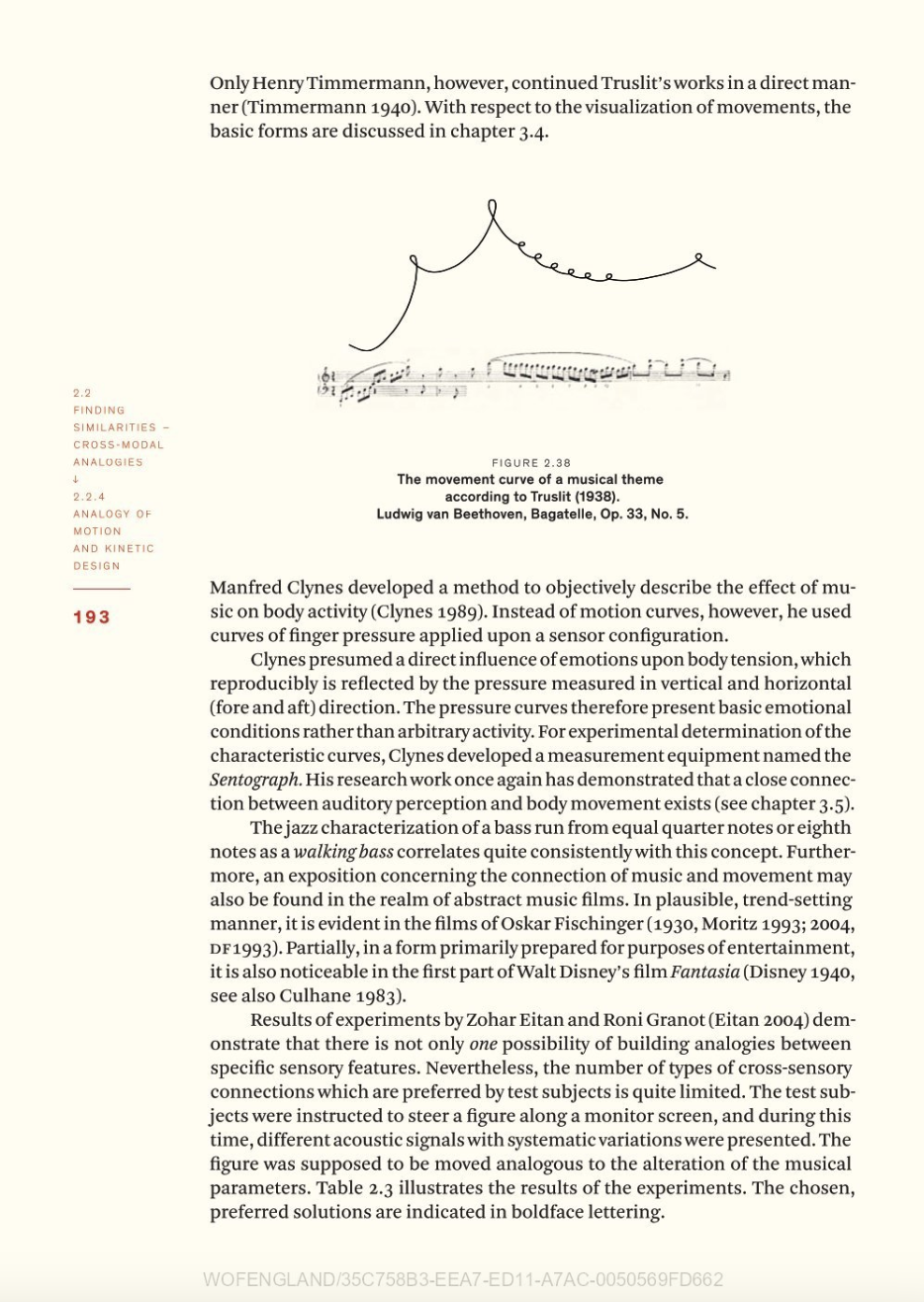
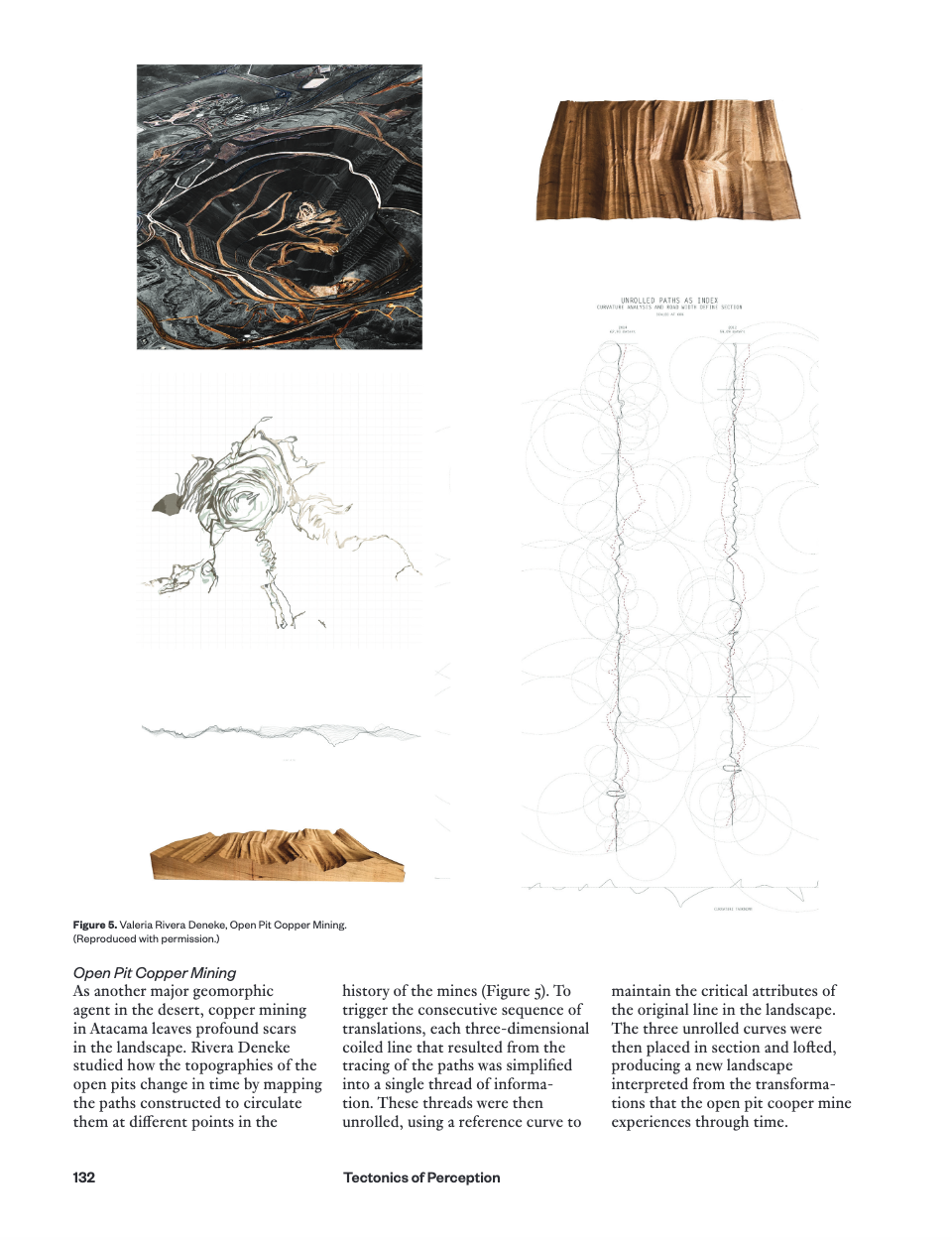
Tectonics of Perception Cristina Parreno Alonso
REPRESENTATION OF ATMOSPHERES THROUGH SYNESTHETIC NOTATION
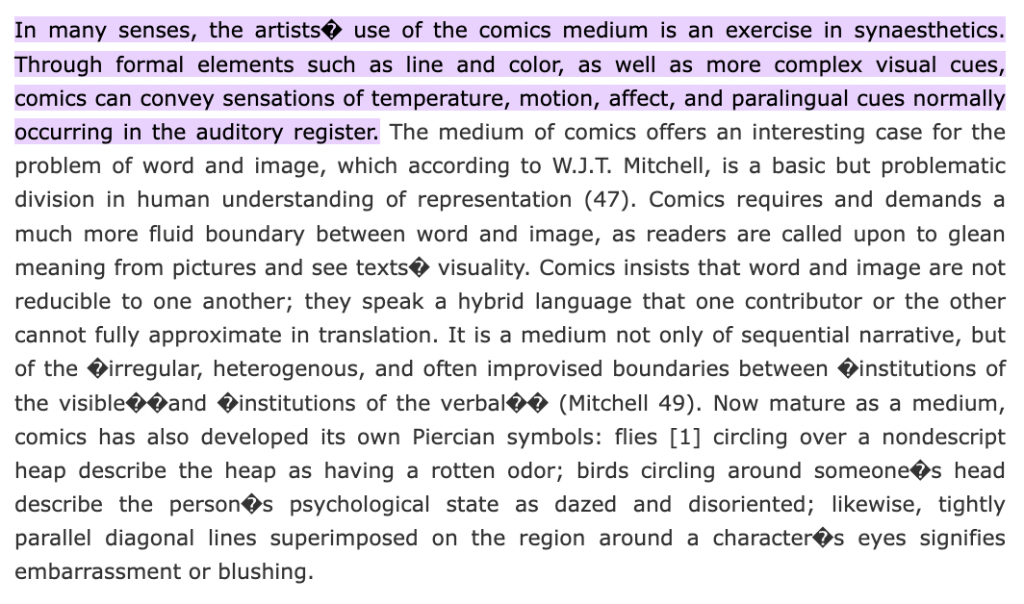
https://www-tandfonline-com.ezproxy.uwe.ac.uk/doi/full/10.1080/10464883.2019.1560828: WORD AND IMAGE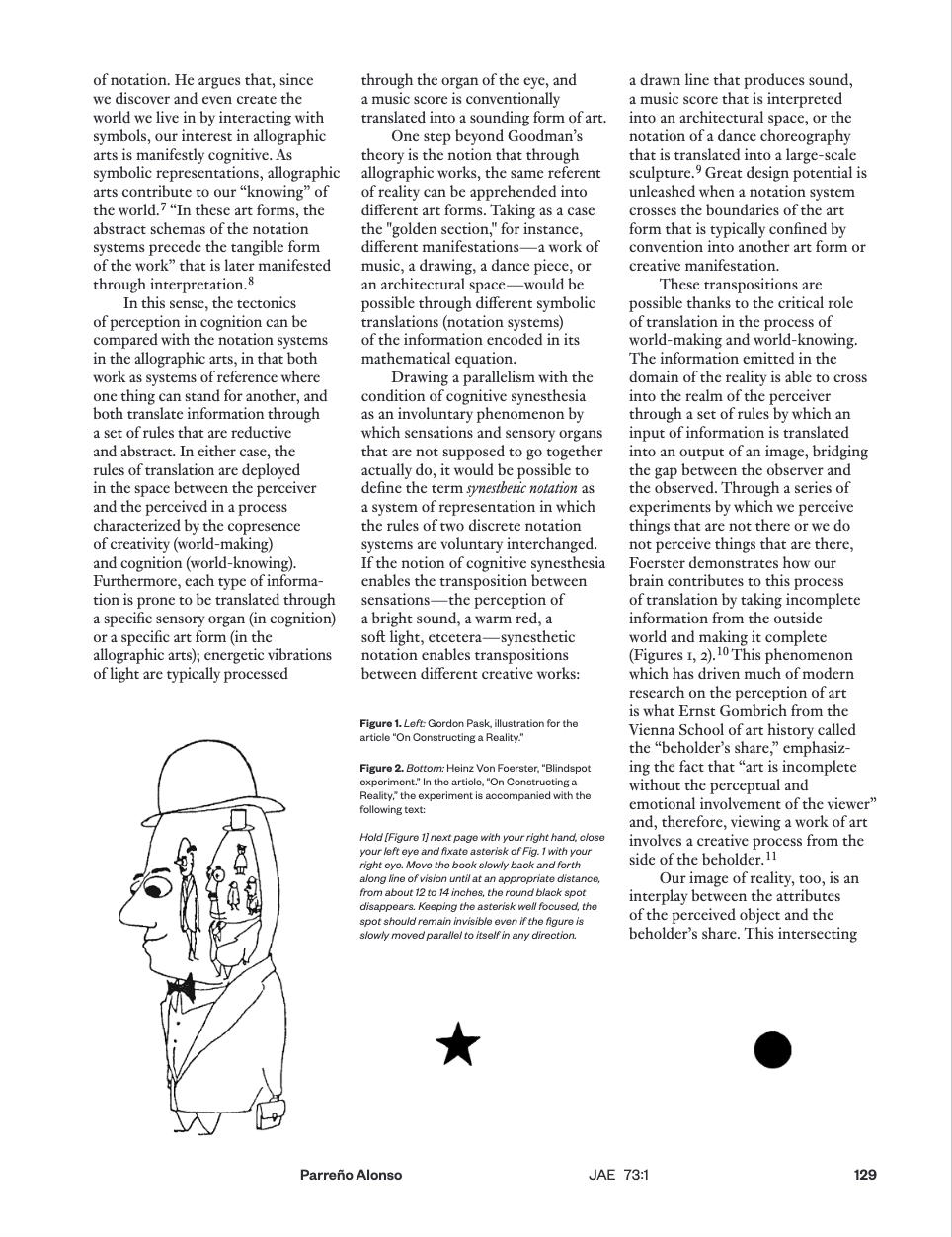
Studies in Comics database journal
https://intellectdiscover-com.ezproxy.uwe.ac.uk/content/journals/stic/1/1: WORD AND IMAGE“The juxtaposition of two images often produces the illusory sense of time passing, as found in the visual language used in modern comic books, which creates the sense that this linear sequence presents a succession of moments or temporal units. Author and theorist Scott McCloud took this view to an extreme, proposing that sequential images are guided by a notion that ‘time = space’ (McCloud 2000), because this temporal passage occurs on a spatial surface. To McCloud, this ‘temporal mapping’ results in a movement of time with a movement of space. This sense of temporality, then, is the ‘essence’ of comics, which is manifested in McCloud’s taxonomy of transitions of panel-to-panel relationships (McCloud 1993). While less specific, this same type of ‘essence’ of connection can be reflected in Groensteen’s types of ‘arthrology’ across a linear sequence or disparate panels in a broader text (Groensteen 1999).“
https://intellectdiscover-com.ezproxy.uwe.ac.uk/content/journals/10.1386/stic.1.1.127/1#
99 Ways to Tell a Story Matt Madden
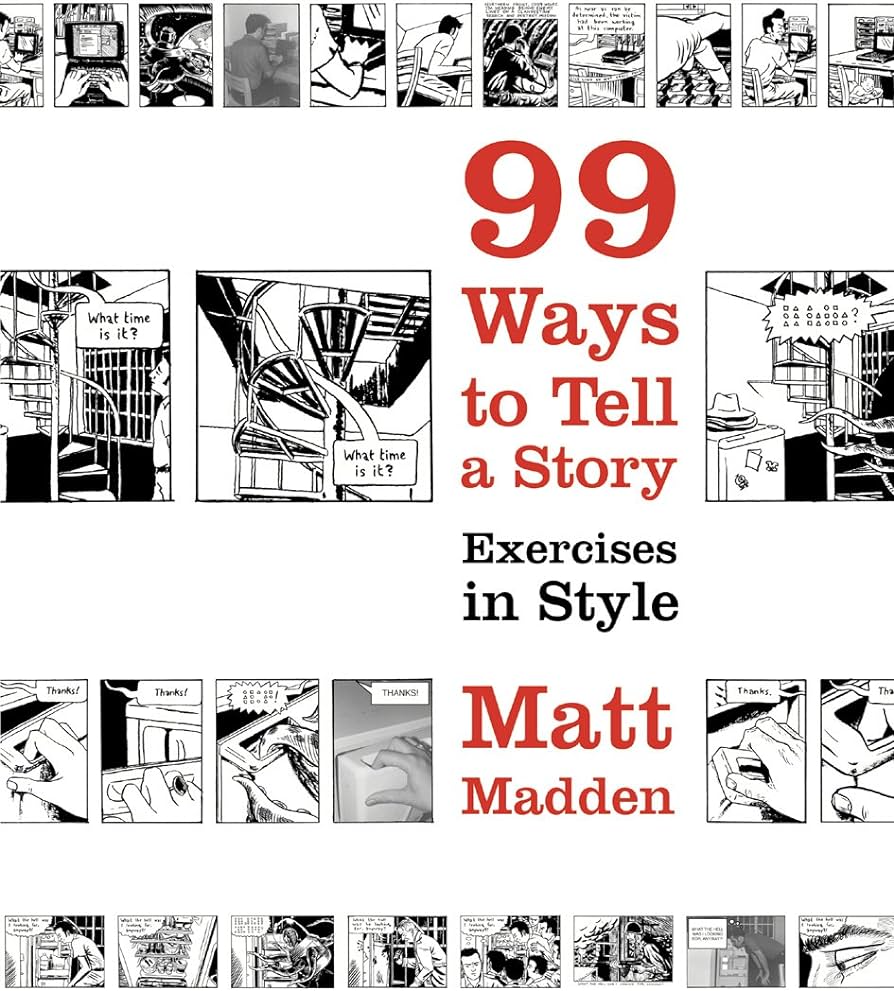
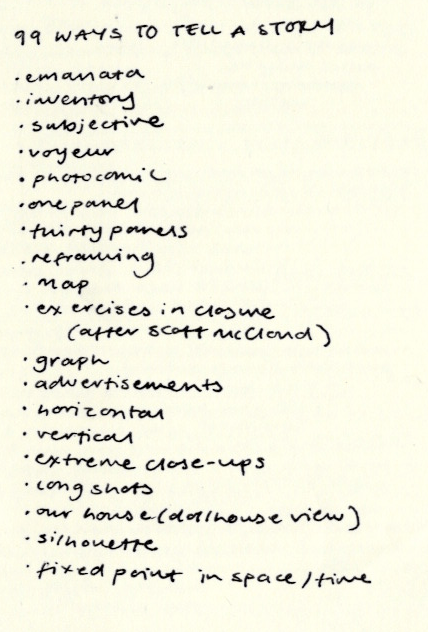
Matt Madden’s extensive examples on how a comic narrative can be illustrated helped greatly in trying to approach the Gruffalo from abstract perspectives. I compiled a list of the most stand-out ideas to me so that I could try and apply them in my work, definitely something I want to revisit as it’s an incredibly interesting part of comic theory.
Building Stories Chris Ware
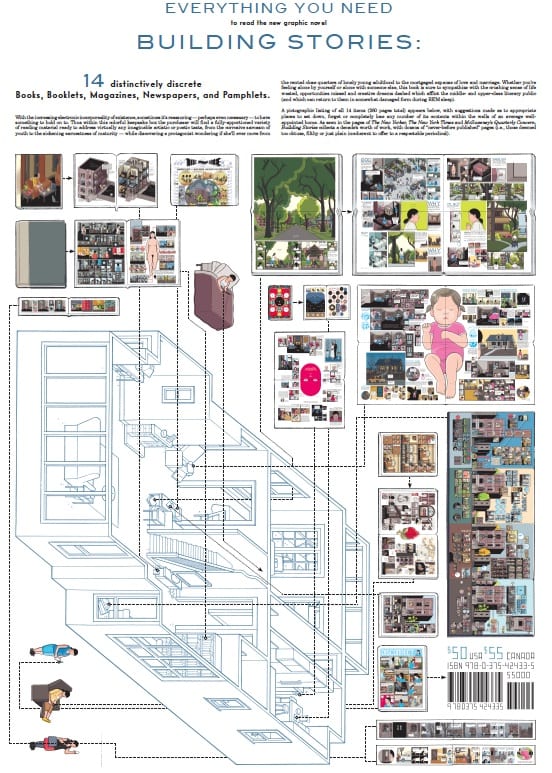
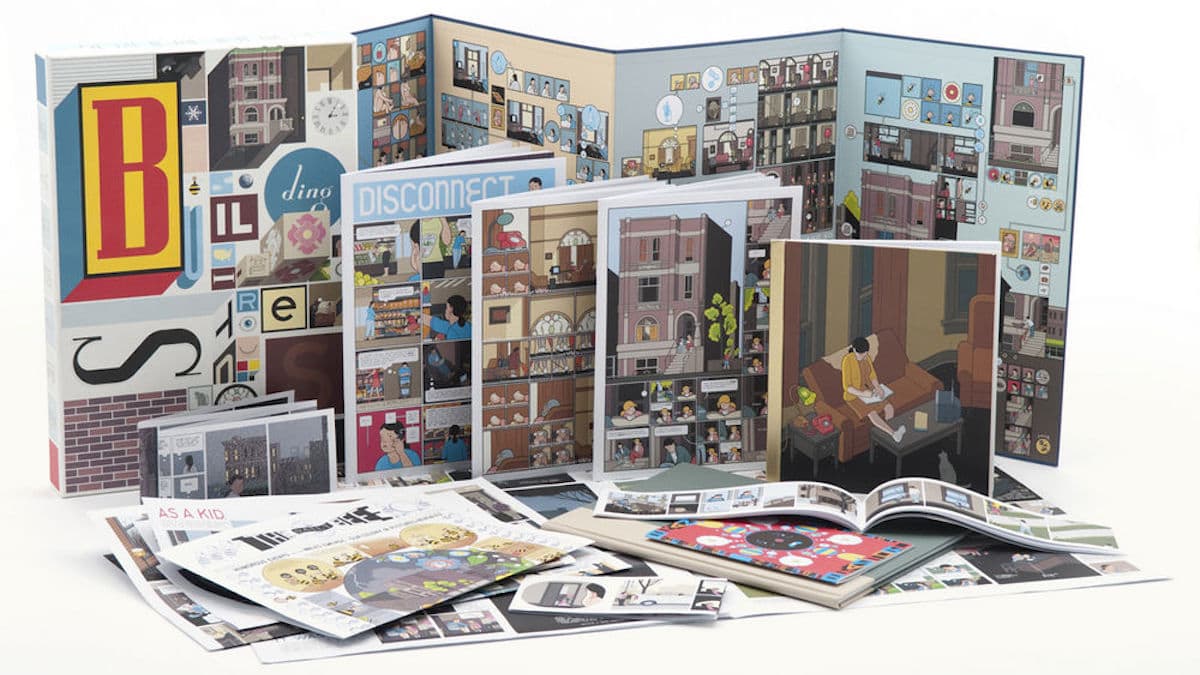
using a wide variety of printed media formats to tell stories around the same protagonist and themes. includes comic books, broadsheets, magazines, a poster, newspapers, flip books, hard-cover books, accordion fold outs, and a booklet.
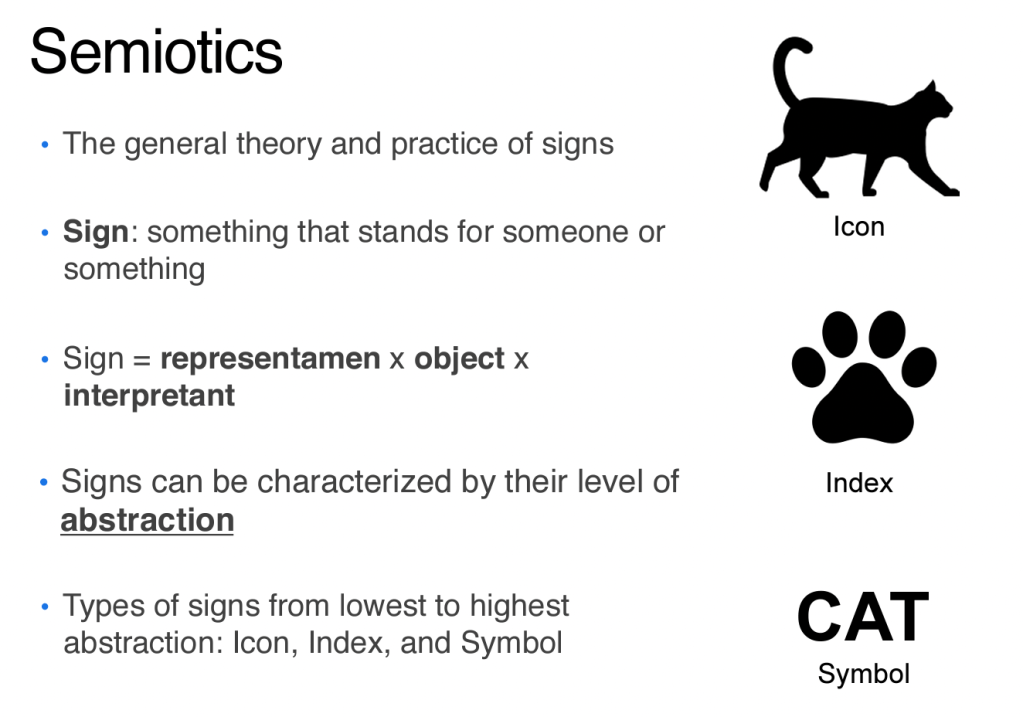
https://www.tcj.com/building-stories-stories-about-art-and-buildings-and-growing-up/: WORD AND IMAGEsemiotics and abstraction
Understanding Comics Scott McCloud
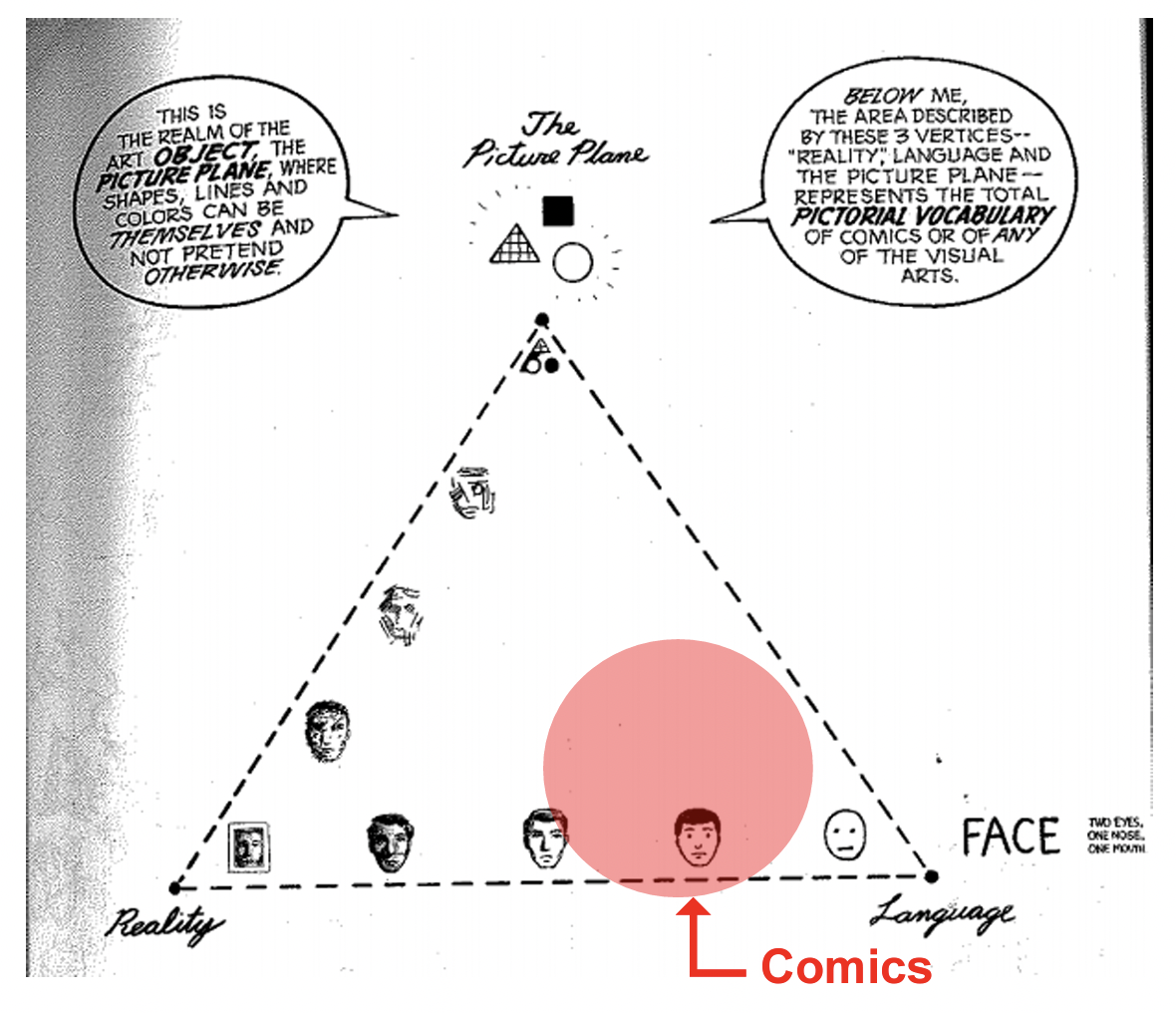
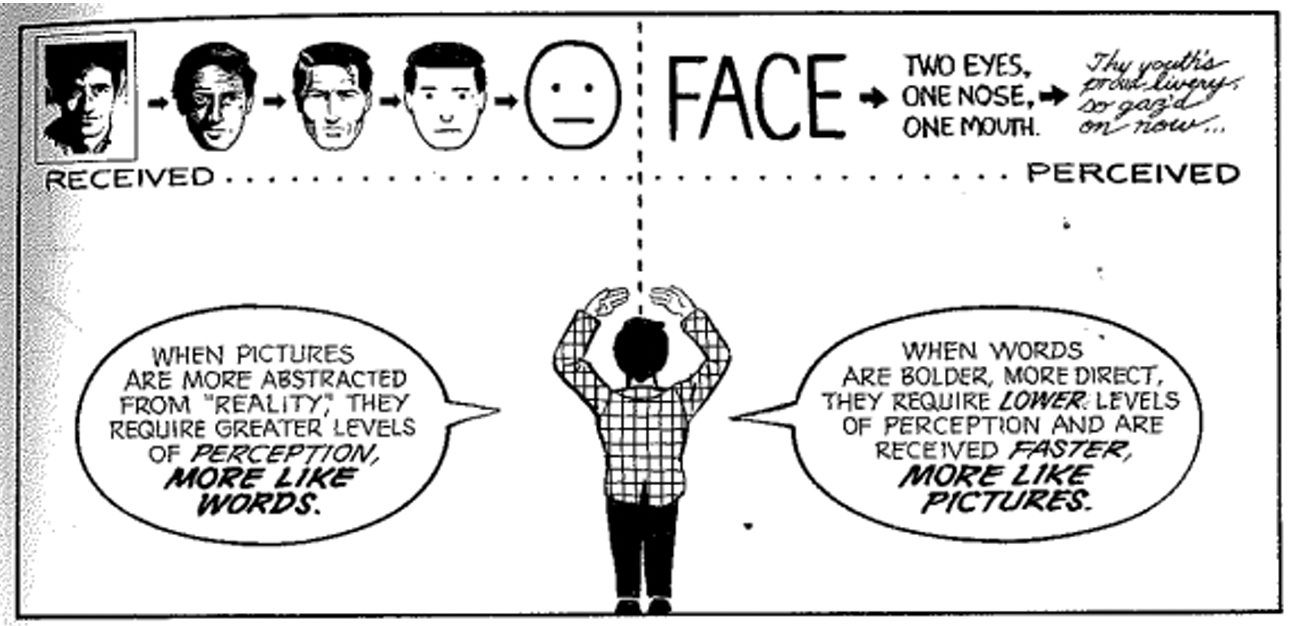
absolutely love this book, I’m also reading Making Comics by Scott McCloud at the same time, every time I pick them up I’m fascinated. They have both undoubtedly contributed immensely to my confidence in designing comics, with a deeper understanding that has made it easier to then abstract the rules as well.
emanata
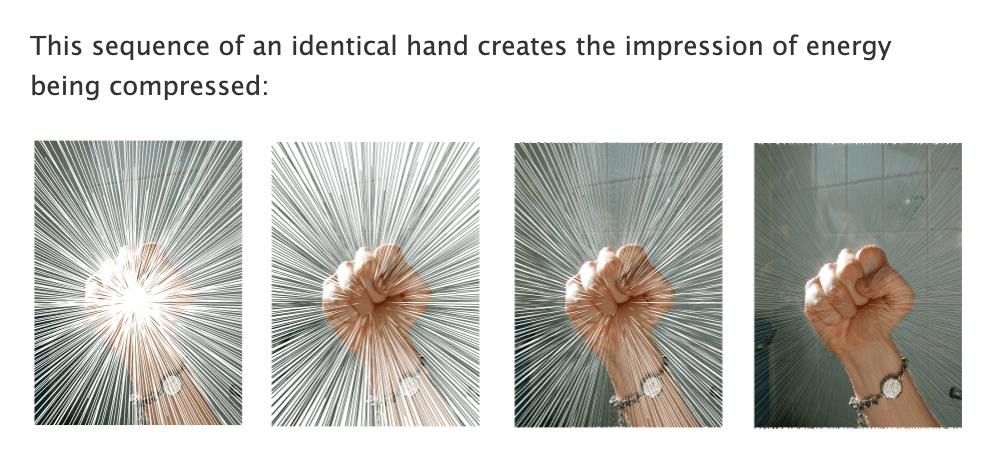
expressionist art

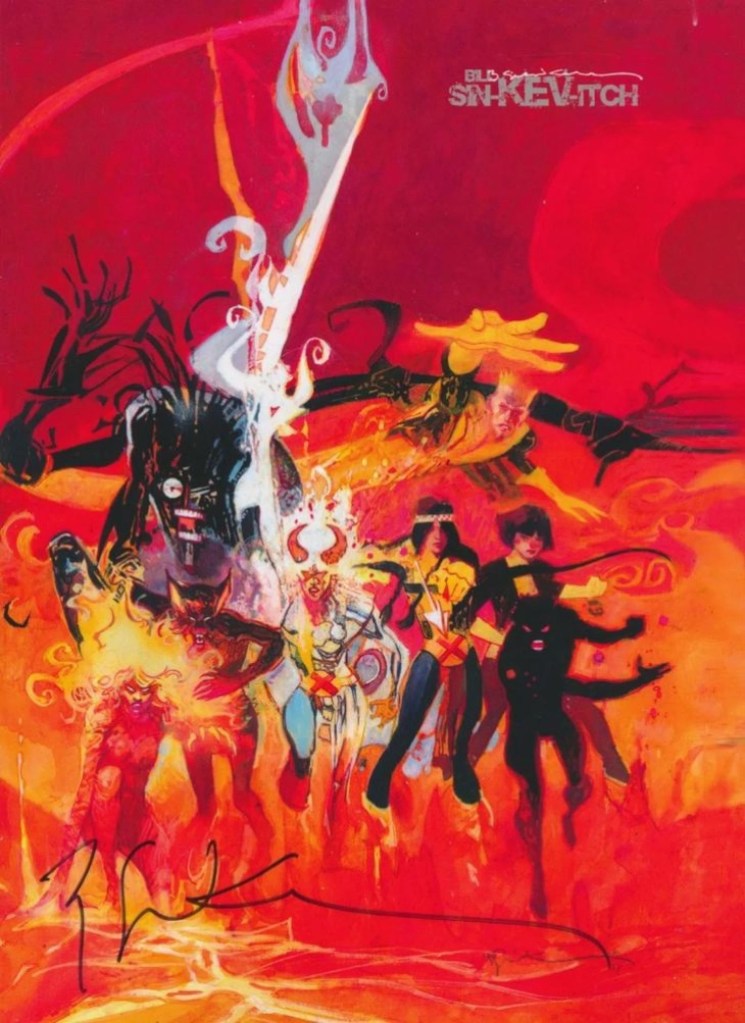
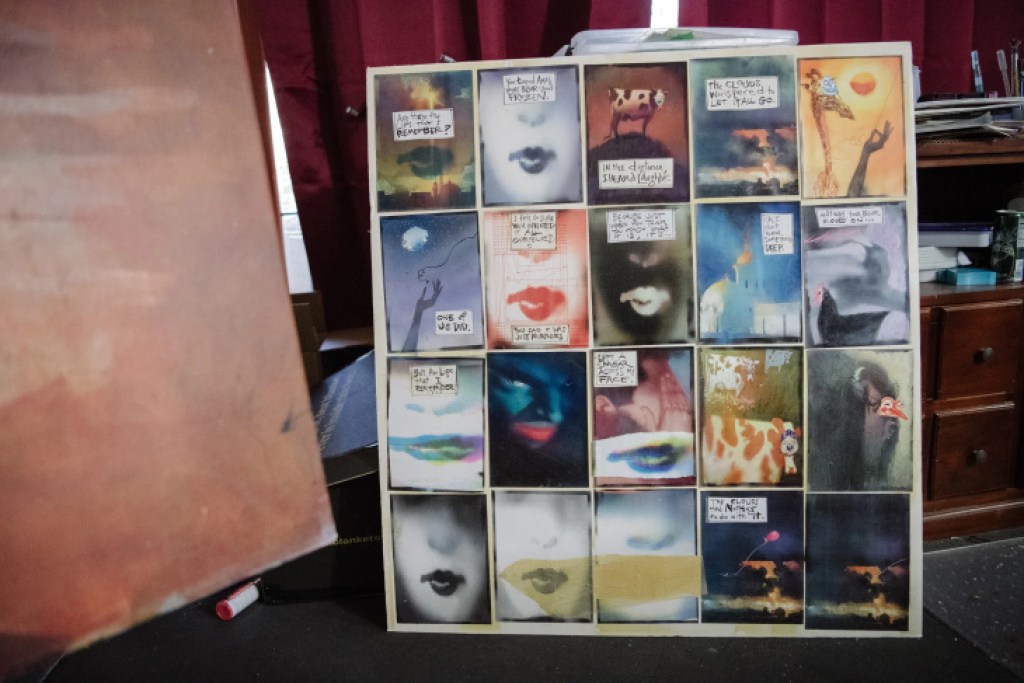
Bill Sienkiewicz’s revolutionary abstract expressionist comic work.
https://imagetextjournal.com/the-expressionist-aesthetics-of-anke-feuchtenbergers-graphic-narrative/: WORD AND IMAGE
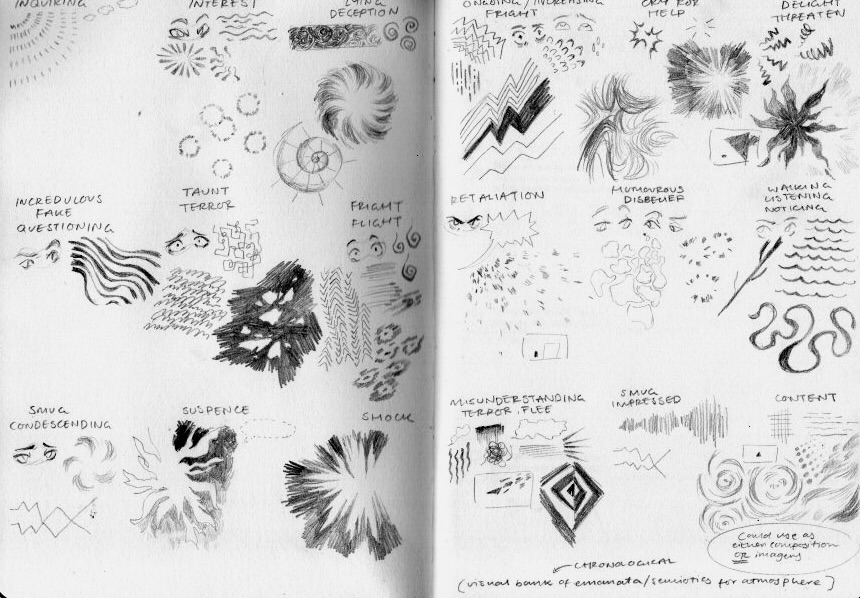
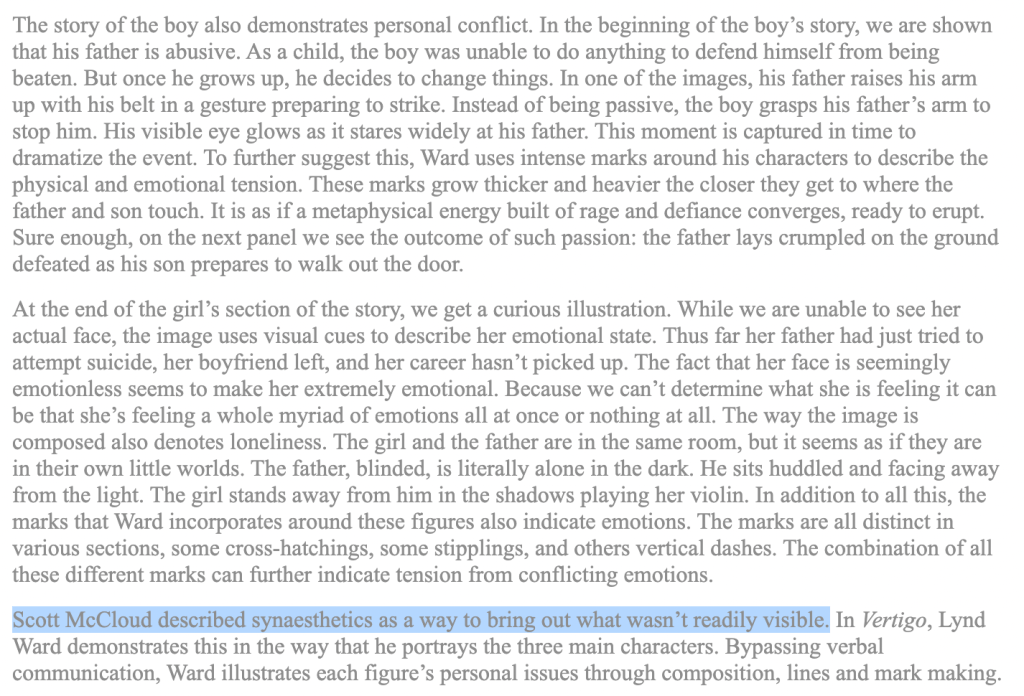
emanata as abstract symbols of expression
creating abstract patterns from emanata and figurative influences to tell the gruffalo in abstract pattern comic strips
the relationship of line to emotional response
by following an expressionist/synesthetic approach to creating patterns for my comic strips, it creates abstract work that is more accessible for the younger audience of the gruffalo as the interpretation of the image can largely be derived from instinctual reactions to the imagery
comic strips and paper chains are reminiscent of childhood and are appropriate formats for the younger audience The Gruffalo is intended for
paper chain food chain!!!
figurative imagery of predators striking when comic strips are formatted into the panel pages, but the reality is shifted and segmented by the paper chain form, reflecting the mouse’s disruption to the food chain
 sneesbee