- Communicates complex concepts, details, and topics in a universal visual language
- Art and science both begin with observing the world around us
- Type of art, with the specific purpose of communicating science
- More accessible to people of a broader range of comprehension levels, using intently designed imagery rather than advanced terminology
- Artistic license can be taken to improve clarity, though accuracy in the portrayal of the scientific subjects is more important than conceptual, abstracted artwork in this area of illustration. Aspects like colour, textures, and shape can vary for artistic as well as functional purpose, not supposed to be photorealism, most often simplified to some degree. Interpreting the scientific information and focusing the visuals on whats important. However, it means these illustrations can have limitations as scientific records
- Two main organisations coordinating this small area of illustration are GNSI (The Guild of Natural Science Illustrators) and AMI (Association of medical illustrators)
- Types: botanical, data visualisation, infographics, museum exhibit images, models, forensic facial reconstruction, illustration or reconstruction of extinct species, natural history illustrations and models
- Where you find scientific illustrations: textbook and exam paper diagrams, museums, non-fiction books, educational posters, encyclopaedias, educational websites, science articles
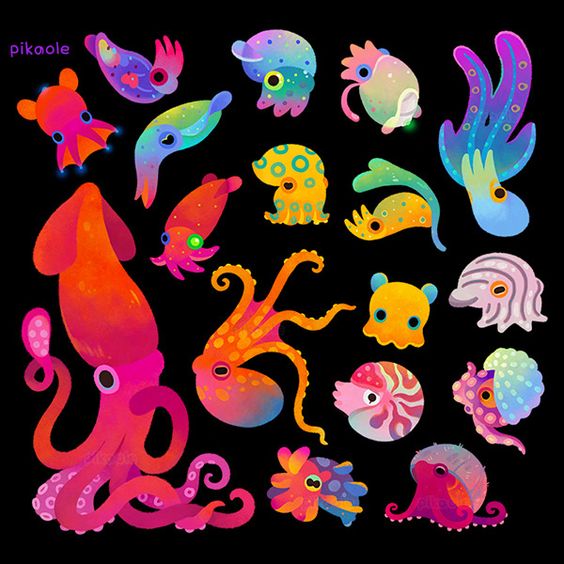
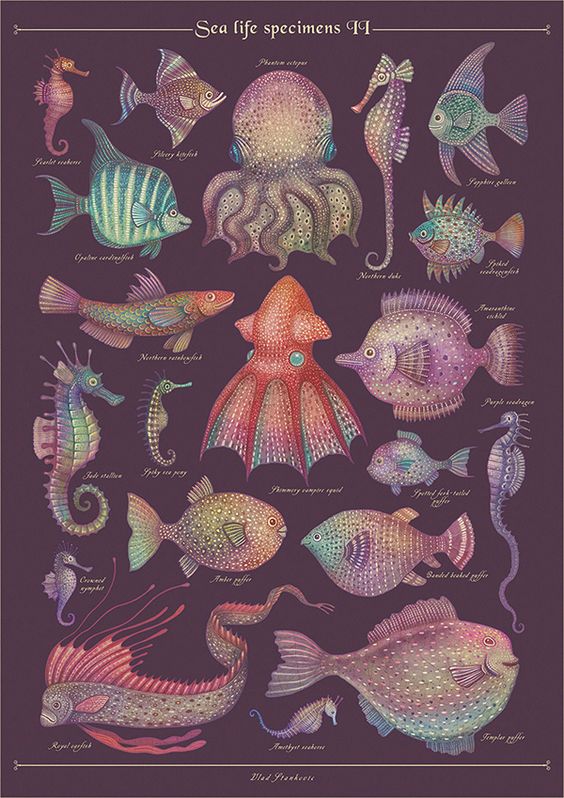

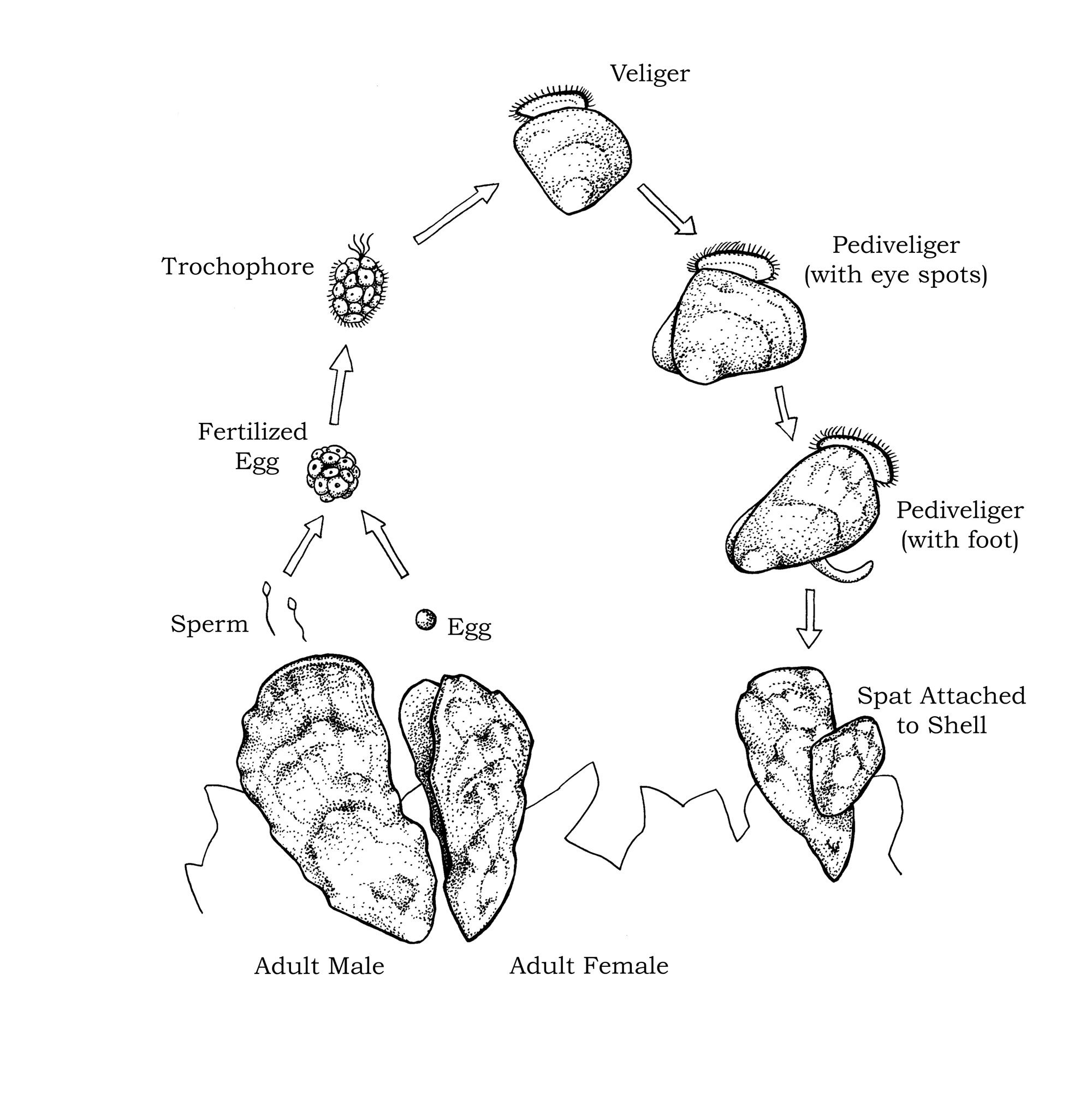
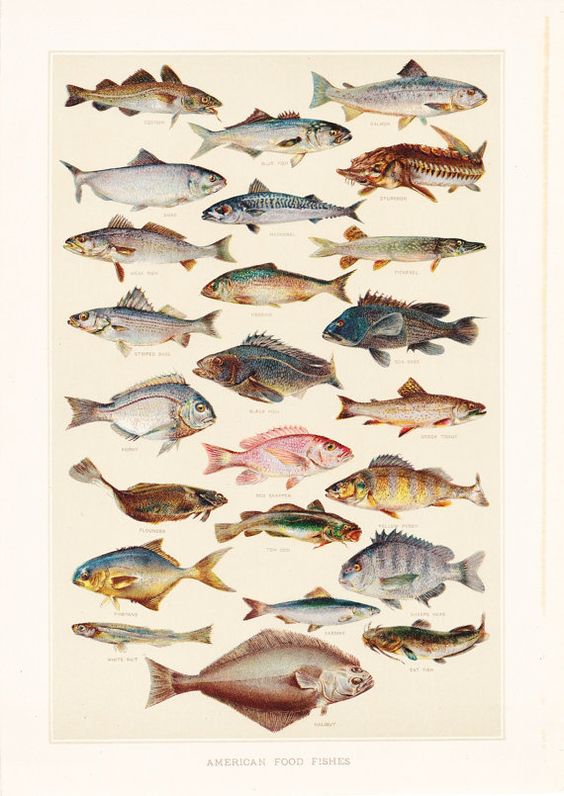
HISTORY
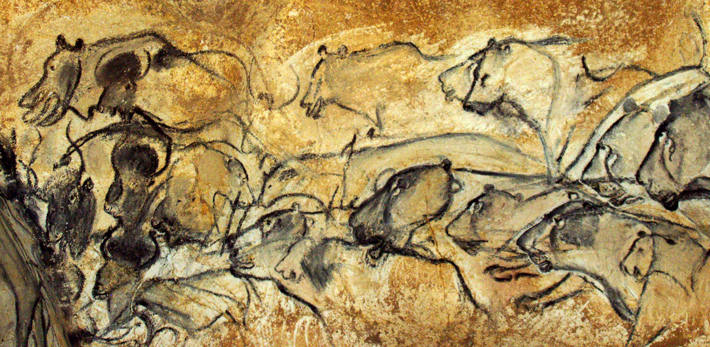
- Art has been used to record the natural world since prehistoric times
- Palaeolithic Paintings as old as 33000 years have been preserved in Chauvet Cave, Southern France, containing over 420 animal paintings. Interesting artistic techniques were also used in the creation of these images, such as having scraped the wall in advance (to provide a smoother surface for the drawings to stand-out against) and depicting perspective, which was uncommon for cave paintings.
- Progression of human technologies is reflected in the evolution of scientific illustrations, from cave paintings, to clay tablets, to paper, to digital tablets
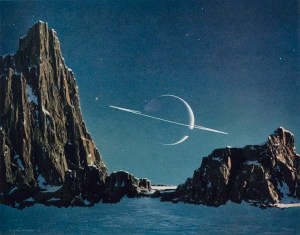
- Illustrations began depicting the human body (Leonardo Da Vinci), plant and animal life (Maria Sibylla Merian), and the cosmos (Chesley Bonestell).

Prolific scientific illustrators
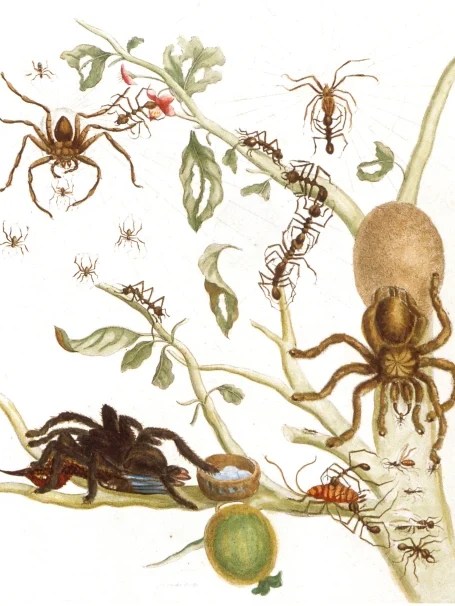
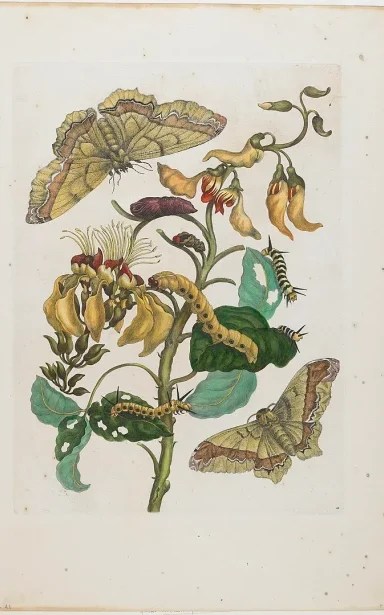
Past – Maria Sibylla Merian 1647-1717
- Stylistic depiction of food webs and life cycles
- One of the first ecologists, and significant contributors to entomology, describing the metamorphosis of insects in detail to a society that believed they just spawned from dust, mud, or rotten meat
- Evidence of scientific illustration’s pivotal importance to the advancement of early sciences
- Said to be first women to travel in the name of science, sailing to South America in 1699 to study the jungle’s wildlife. Where she collected first-hand groundbreaking research for her book “The Metamorphosis of the Insects of Suriname” 1705
- Would illustrate the animals surrounded by the plants and prey they relied on, portraying a wider, interdependent ecosystem within her artworks. She made the first drawings showing that showed the change from caterpillar to butterfly depended on several plants
- Staged compositions and plain backgrounds focus on telling the story of the wildlife, recording the science of nature without the need for words
Current – kurzgesagt 2013-now


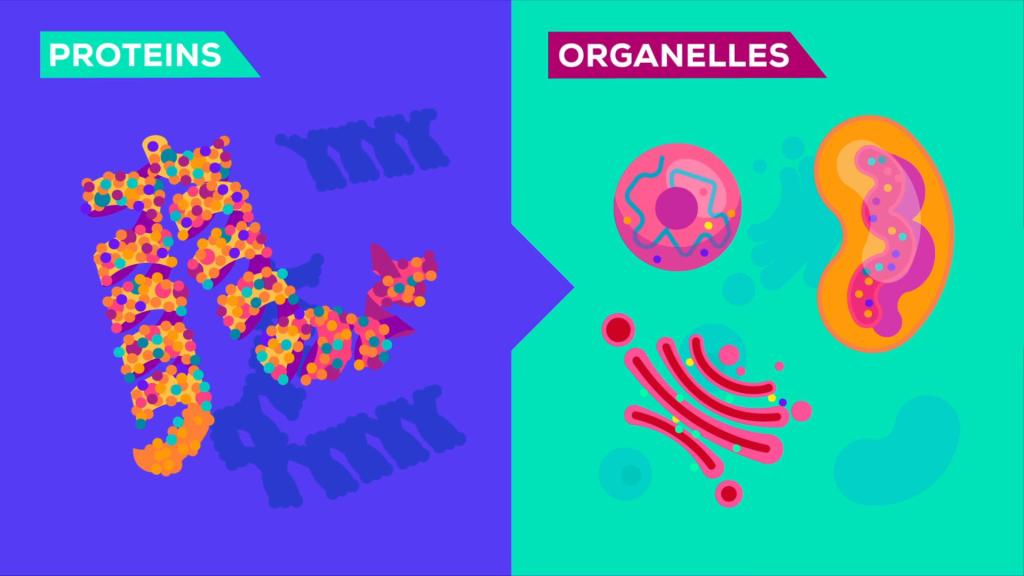
- Create educational animations of various topics “in a nutshell” (kurzgesagt in german)
- Putting science into an imaginative context whilst simplifying it, making it consumable for an extremely broad audience
- Education leads to people caring about the topics through a better understanding of the issues. And by making the knowledge so accessible in free, engaging, comprehensible youtube videos, Kurzgesagt spread reliable information for people to base their opinions on such topics.
- Their brightly coloured, heavily stylised shape-language, vector graphic animations and illustrations portray a simplified version of the complex science they talk about, creating a balance so people of any knowledge level can engage
 sneesbee