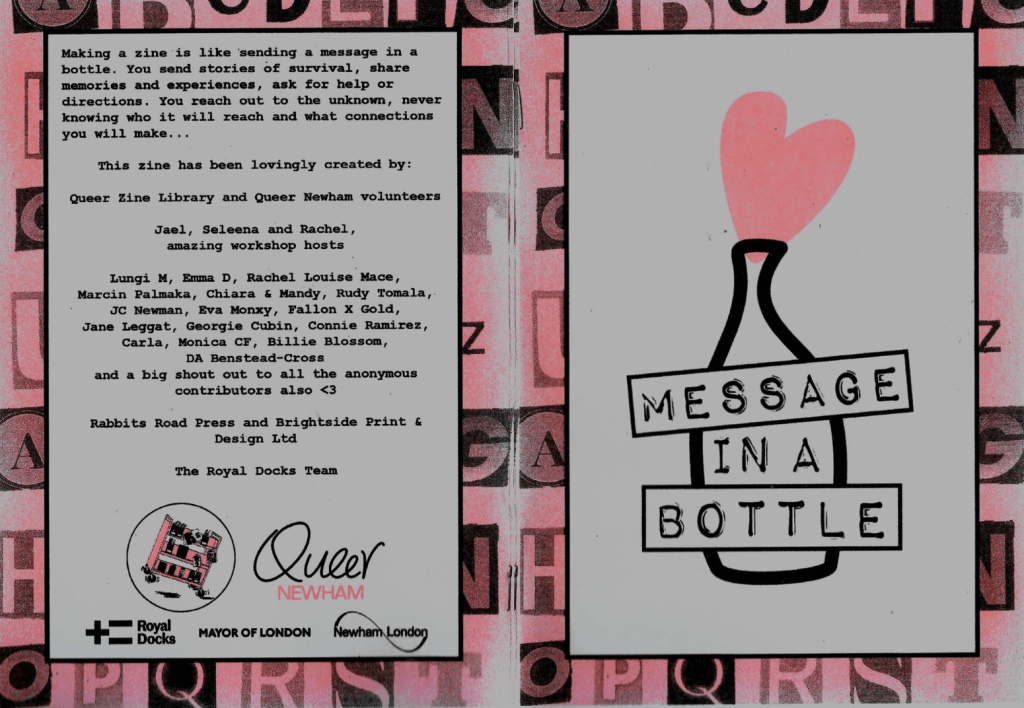

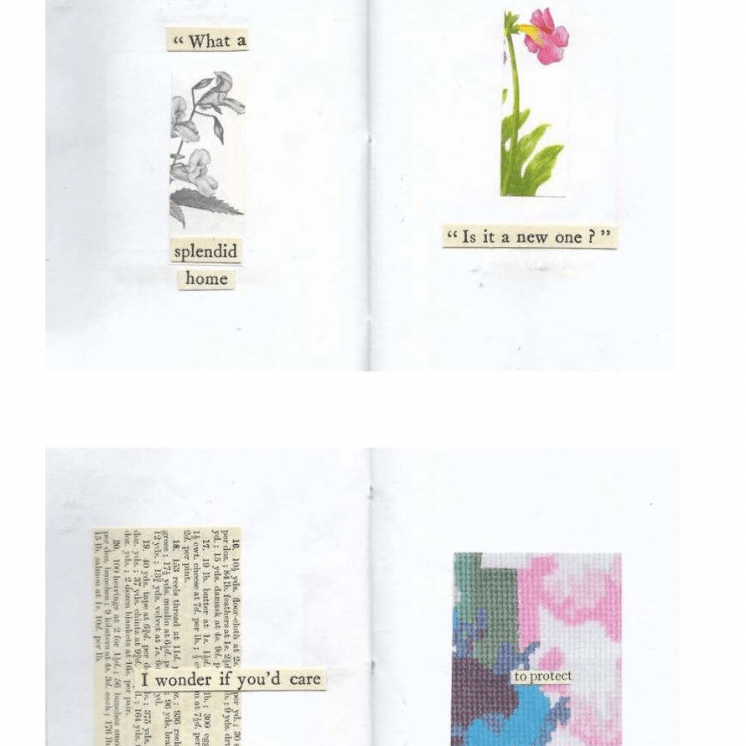
Message in a bottle was a zine project that encouraged people of any artistic ability to make art they could share with others during lockdown, making connections from a distance, similar to the concept of a message in a bottle. It’s full of little notes and artwork unique to whatever all the different artists wanted to create, and the risograph printed cover illustrates the general theme of the message in a bottle in a simple but clever way.

Mischelle Moy creates photo images bursting with bright colours, patterns and detail. The work required to make her unique commercial photography is concentrated in the concept sketching and prop sourcing aspects, whilst the set building and colourisation take the least time but are her favourite parts of the process. The bright, exaggerated colours and purposeful prop placement also give Moy’s work a distinct recognisable style, no matter what is pictured. The warm lighting also gives the photography a cosy, nostalgic feel as well as more of an elegance in some.


Character Design Quarterly is a magazine compiling a wide variety of artist’s work, interviews, tutorials, guides, and gallery features. I love laying out educational information in visually interesting ways so I especially love the tutorial pages in this magazine, no matter the topic of interest, articles will always be more engaging to me if they’re laid out in a creative way; and its especially appropriate in this context with it being a magazine talking about design. The compositions throughout are varied with full page illustrations, to thumbnail work, design examples, variations, progress captures, every page is just completely filled with artwork and knowledge; which are two of my favourite things.

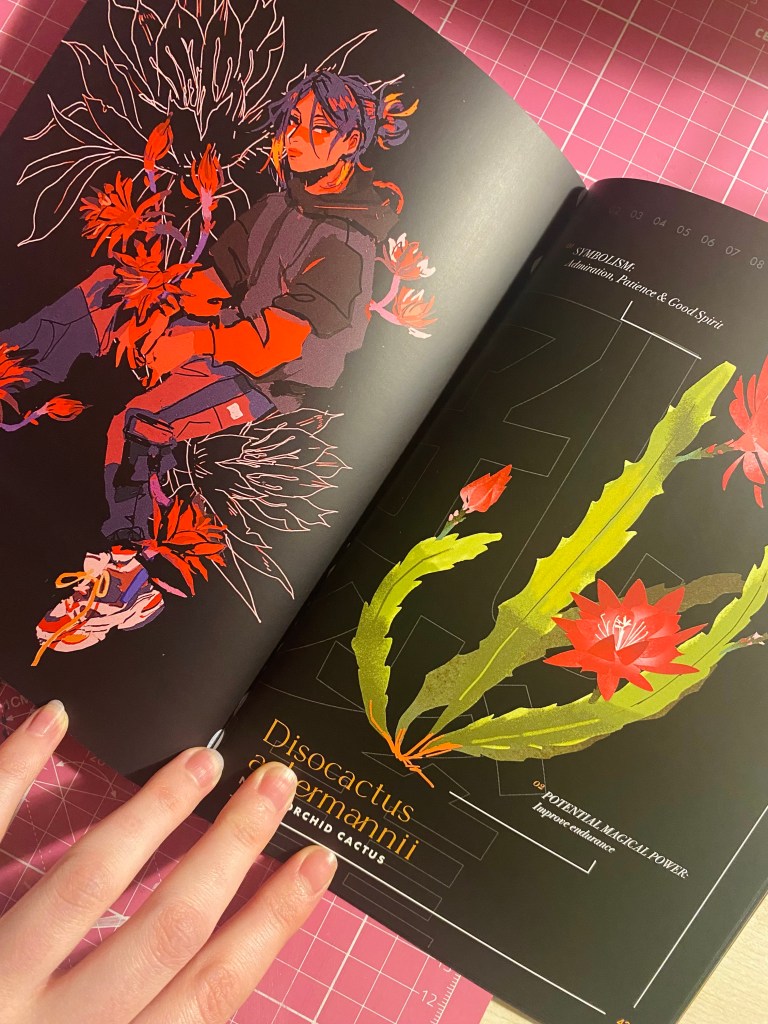
Florescence is a fanzine for the anime Haikyuu, it’s a collection of artwork from a large range of artists all given the prompt to combine a character from the show with a flower. Fanzine culture is something I’ve been interested in for a long time, as there are frequently ones being made for the media that I get obsessed with; as cartoons and other animated media have always been a huge part of my personal, social, and artistic life. I would love to do a collaborative project with other artists, and to be able to come together and create artwork for a shared interest would be so amazing.

ZINE RESEARCH
- origination as a method of free-form dialogue between sci-fi enthusiasts that bypassed editors and publishers
- subversion, freedom of thought, democratic
- usually describes a small batch, DIY, magazine-like publication
- wide range between simplest means of zine publishing and most professional, from being reproduced with a photocopier to mass, industry printing
- most accessible form of publishing, can be fairly affordable
- allow for experimentation and pushing boundaries
- bypasses mediation and permission
- perzines, fanzines, social and political zines, comics, mini hot-dog, anthology, travel, health, art and photography, literature, music, food, poetry, recipes, manifestos
- type of content can affect printing format; pocket-sized, stapled, print and bound
- zines have the option to be independent or collaborative
can co-create a zine with friend or two, or call for contributors on social media
- working collaboratively means you could have a greater reach, can be posted and shown to all the separate followings of the individual artists, more people would then hear about it in total
- reasons for working in collaboration with other artists and creatives; brings together creative voices and ideas, fun, limited resources, can make it more sustainable and efficient, can grow the project beyond you personal network, different skillsets, structured organisation, shared accountability, splitting responsibilities, emotional support
- complications when working in collaboration: compensation, accreditation, rights, creative differences, team management
- if revenue is made from the collaboration there are different approaches you can choose from: split profit between collaborators, put it back into project, hire assistant, invest in marketing
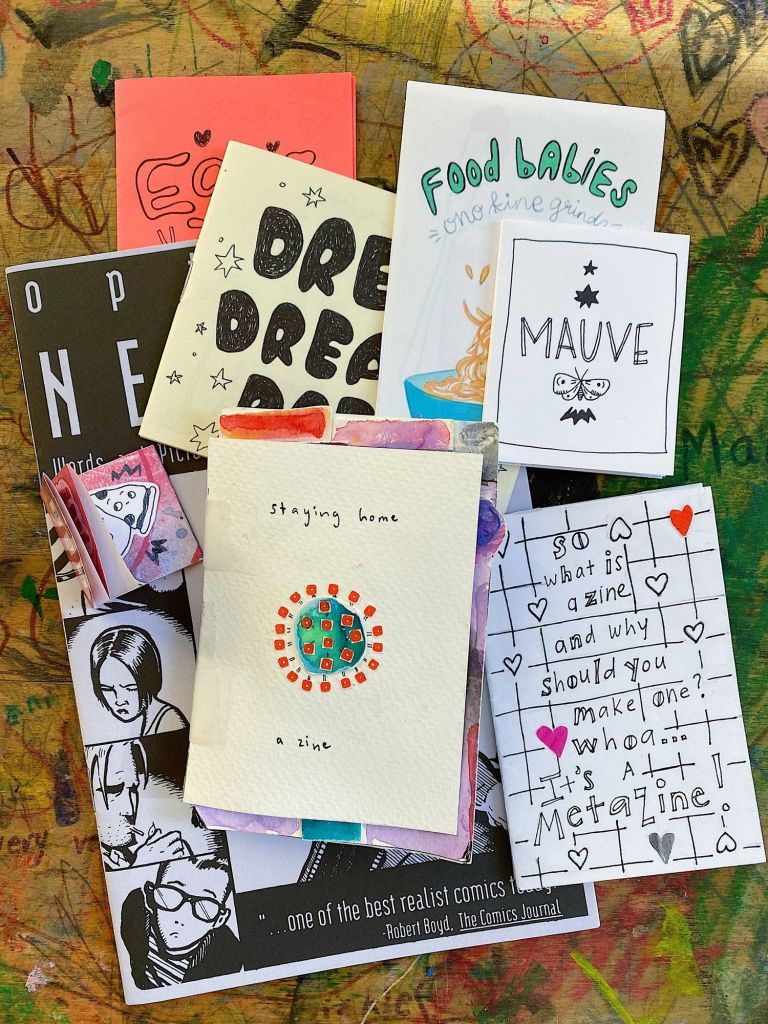
Fanzines bring people together on the media enthusiasms they share. This can be especially important for autistic/adhd (from my experience) as their interests are such an integral part of their life, allowing them to connect to other people through the context of the media. Whether it be over their favourite filmmakers, musicians, artists, tv-programs or comics.
Social and political zines connect you with people whom you share common concerns with, either as a collaborator or a reader. They give people a voice to share, separated from the filtering of large media corporations. Punks, queercore, riot grrrl we some of the most notable counter-cultures that had prevalent zine scenes in the late 20th century.


Happy Breakfast
Digital collage, 3D plasticine, photography, 2D painting, surrealist, reflection of new rave scene, counter culture
The zine is formatted as a collection of images by one artist, Gary Card, in a unique but consistent visual style throughout the 22 page zine. Aim to revert back to a more chaotic and over the top style, free from minimalistic everyday design. Whilst the surrealist images may not have real world context and meaning, they reflect the artists desire to break from conventional visual design norms, it’s the story of the artist’s intention that they tell. I really like the fluorescent colours and varied textures created from the variety of mixed media, especially the soft blending and fingerprints in the plasticine.
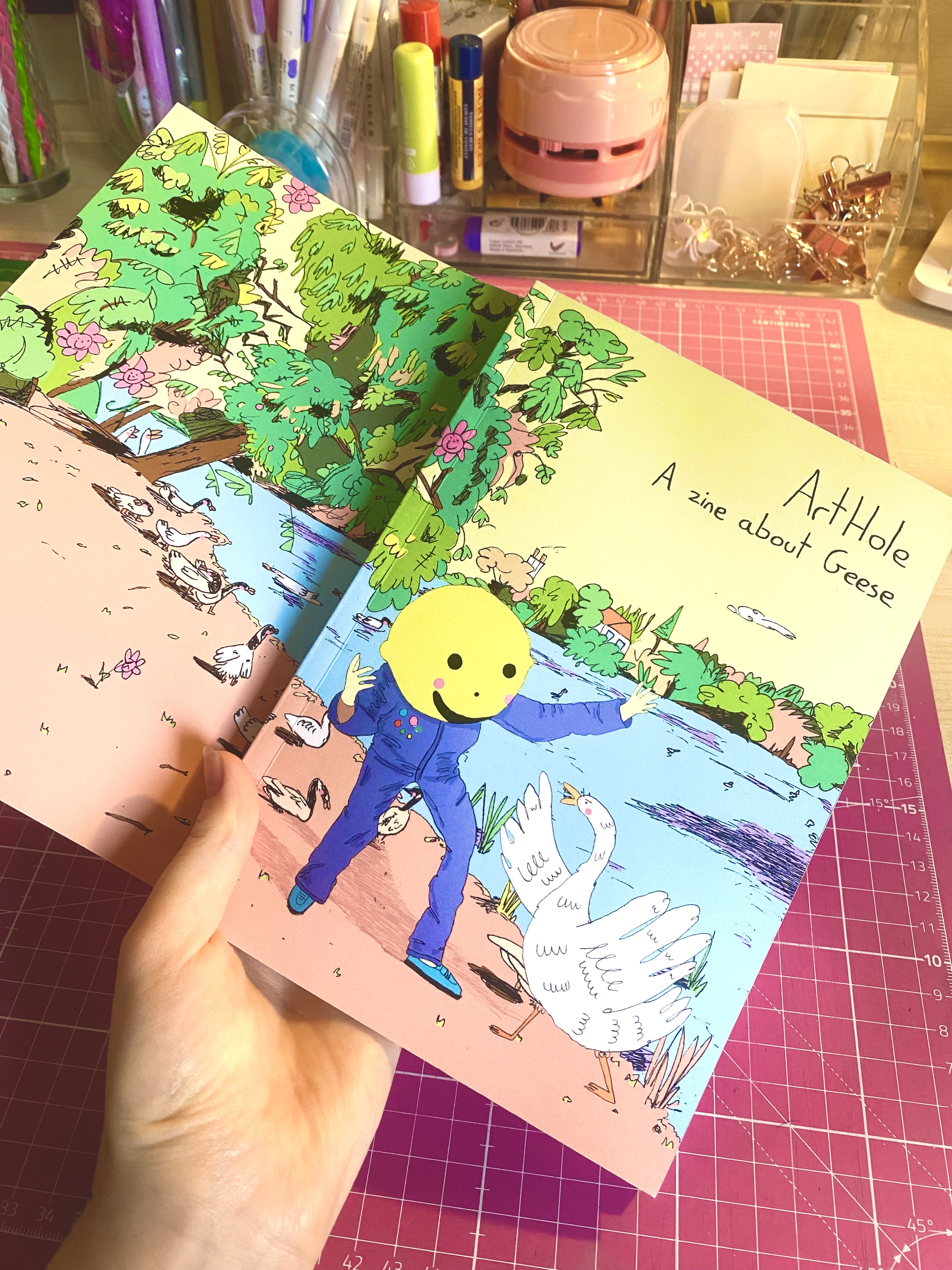
ArtHole – A Zine About Geese
Multi-media, collaborative, lifestyle, music, work as an artist, humour, poetry, cartoons, interviews
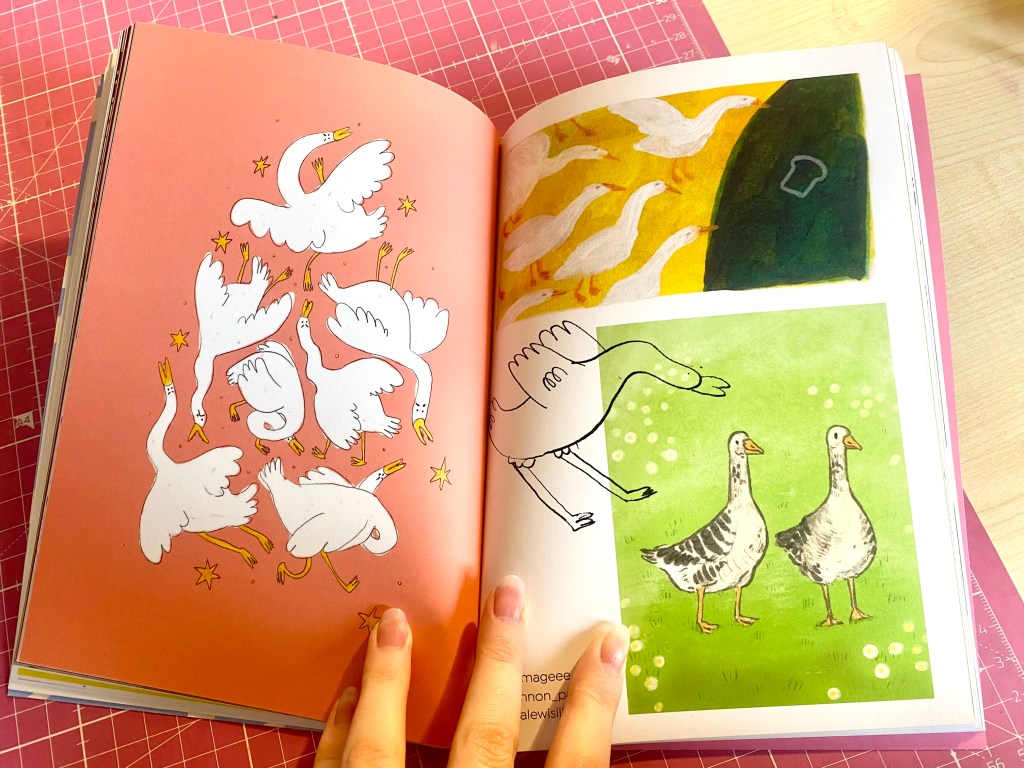
Collection of artists’ individual interpretation of geese, all sparked from the inspiration of a little goose scribbled by Kay during the planning for the groups first illustration fair. Similarly to Happy Breakfast, the artists wanted to break from the constraints and expectations of ‘good art’; the goose was a symbol of such artistic freedom. each collaborator was free to be silly and make whatever kind of art they felt like making, as long as it contained a goose. My favourite geese in the zine are from Lucy Magee’s illustration, the shapes the geese take on are silly and wobbly, and they almost tesselate with each other to create this big block of angry-faced geese.

Spooky Scout Field Book
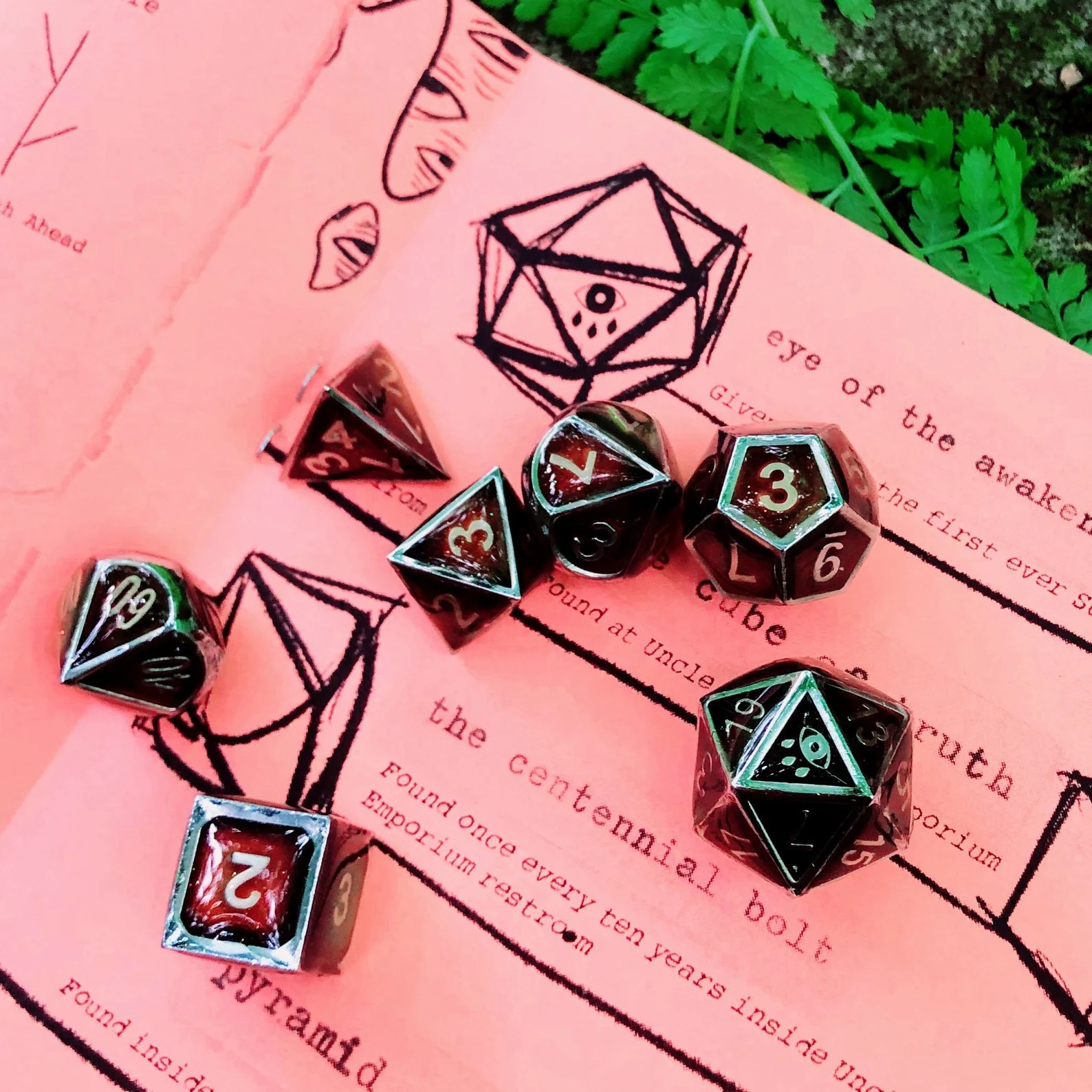
Narrative, literature, mixed-media, whimsical
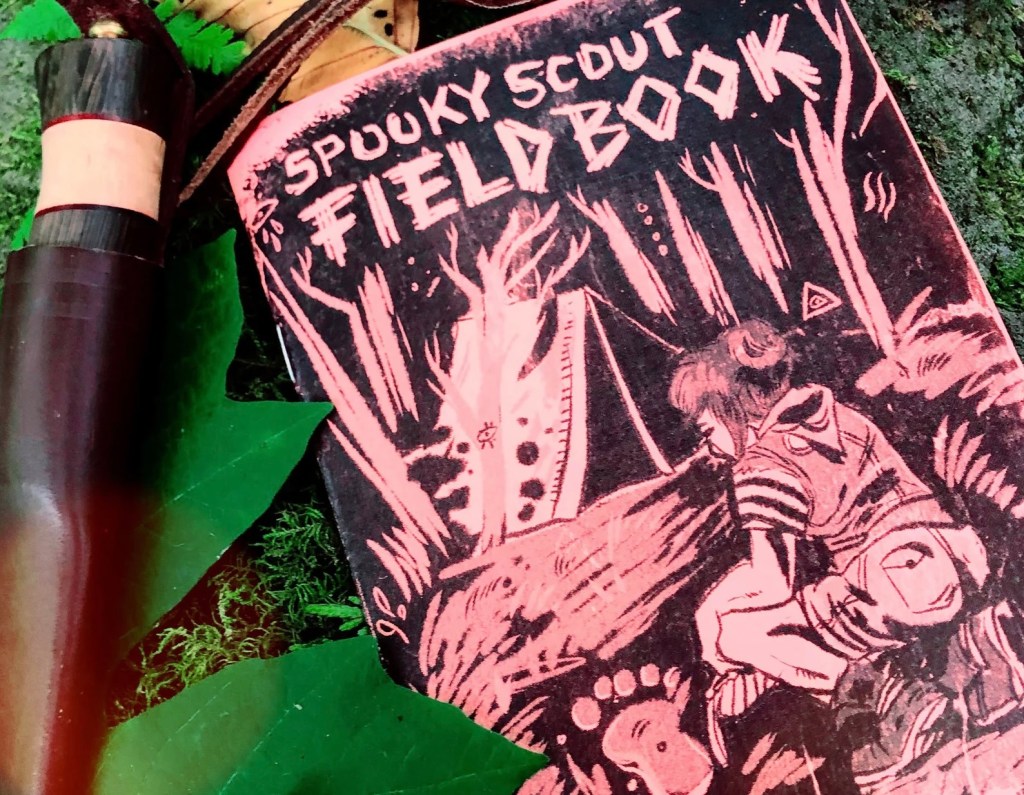
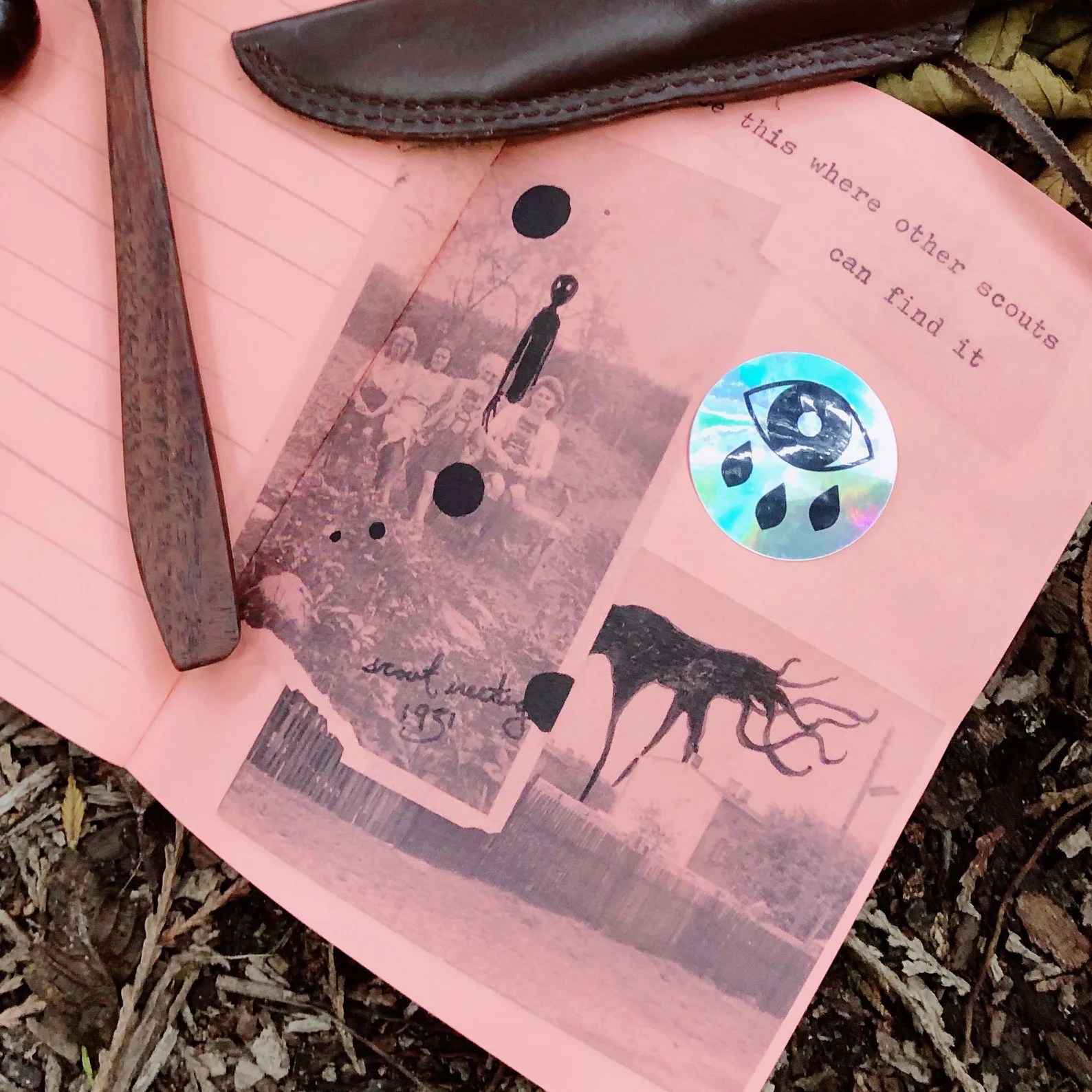
Art and writing by Kayla Cline and Holly Conrad, based on cryptids indie podcast “Spooky Saturday”. Interactive story-telling zine that lets you engage and become a part of the narrative, really interesting purpose and concept for a zine. Making something like this is the future would be exciting, especially with my love of media about other worlds that I could base it on. You can see immediately in the reviews from people who bought this zine that many people connected with the format and had fun playing along with the story, the zine’s importance to its audience is clearly laid out.
Girls Gone Wild
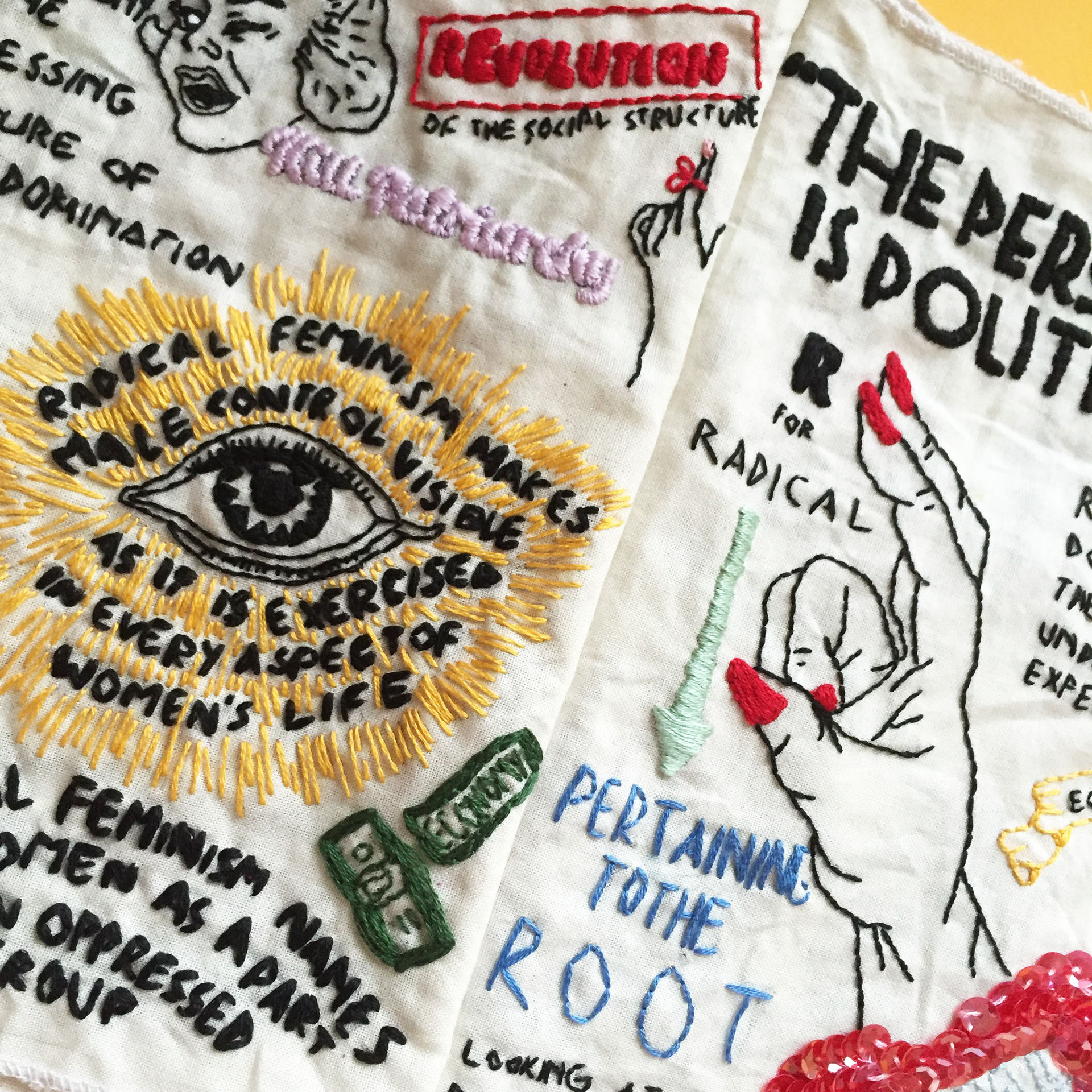
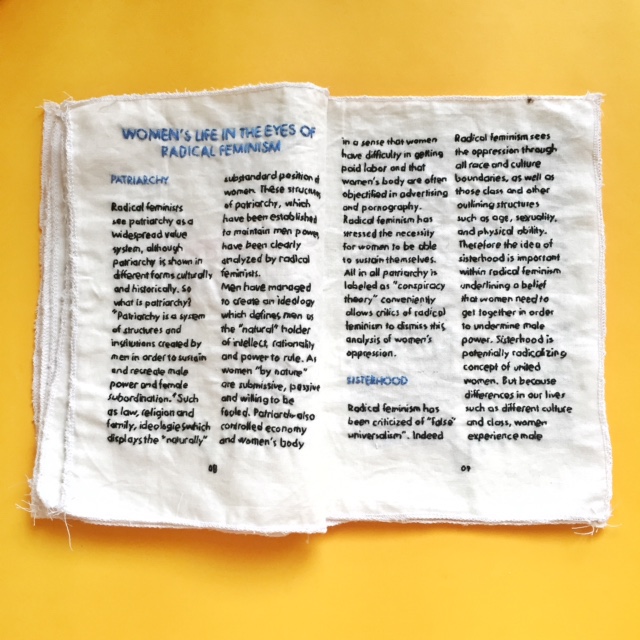
Radical feminism, textiles, gender, political
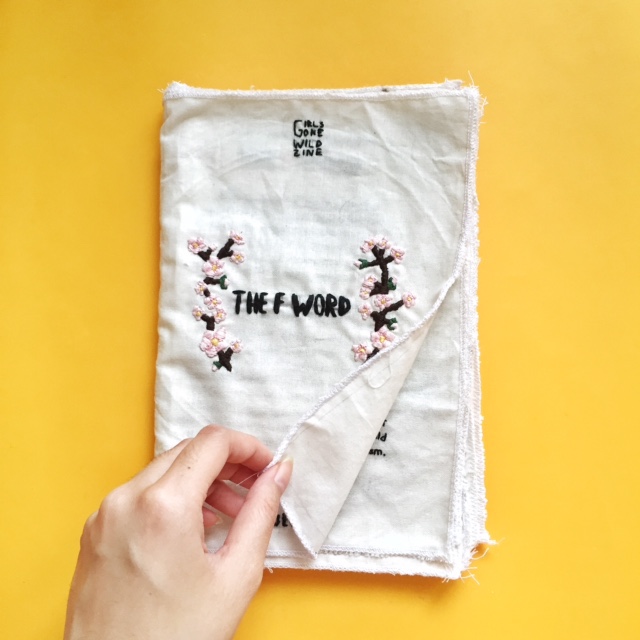
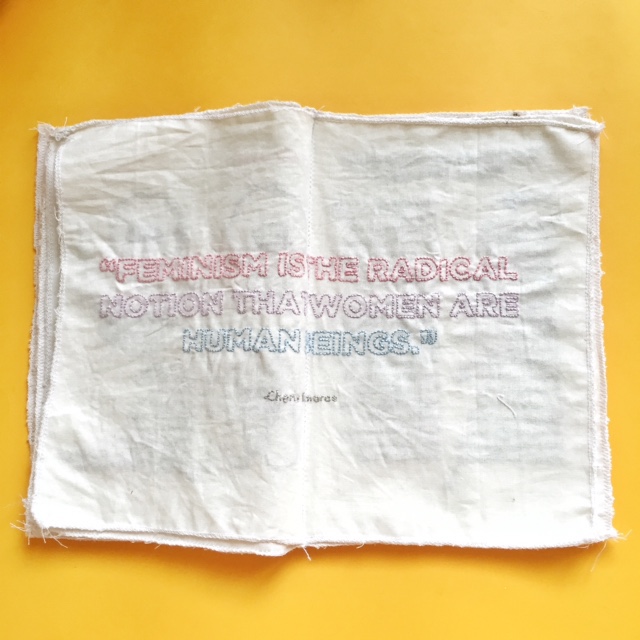
The unconventional choice of making a zine out of fabric instead of the usual paper was intentional as Claudia Aksha wanted to “discuss radical feminism in a radical way which is going outside the norm of how a zine should be”. The particular choice of textiles could also be a commentary on it often being considered women’s work, so it’s a more jarring effect to rebuttal traditional gender roles through the irony of the medium.

A Pocket Book of Witch-folk and Demons
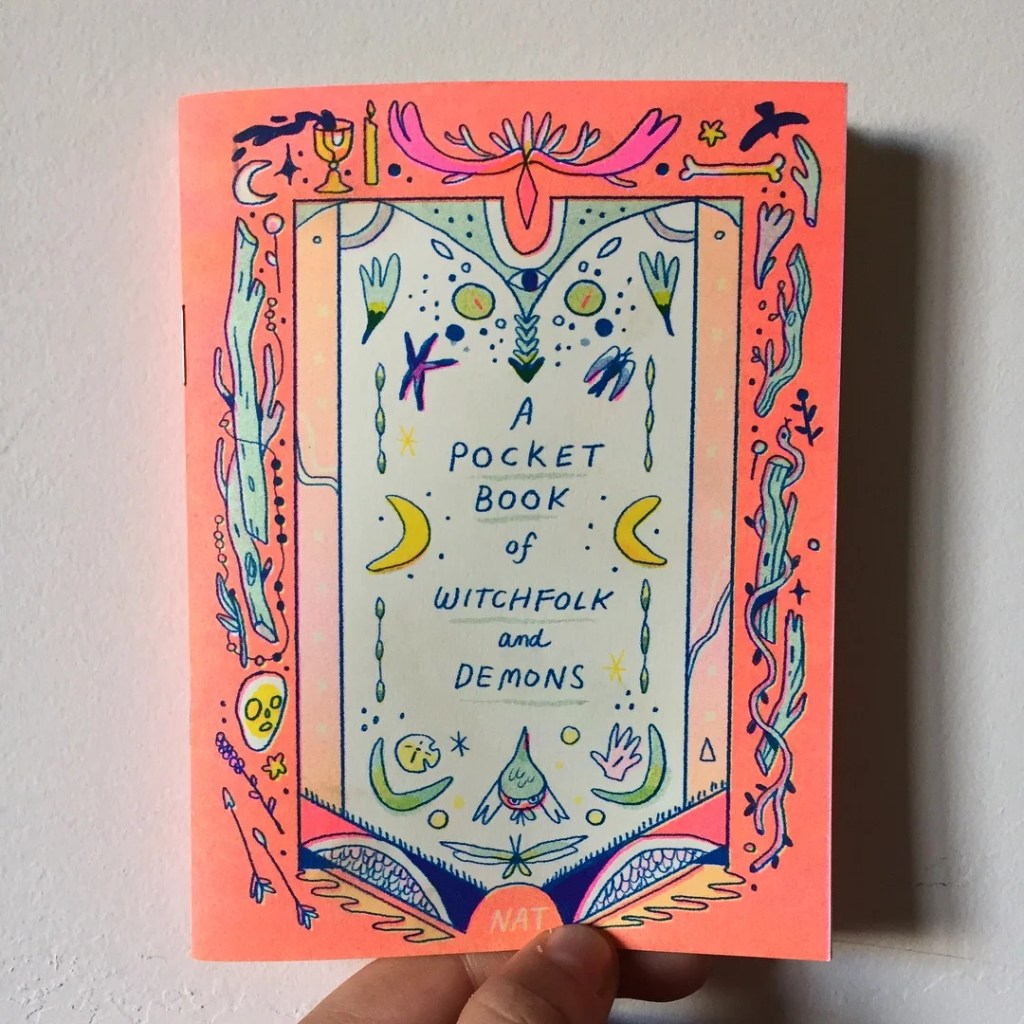
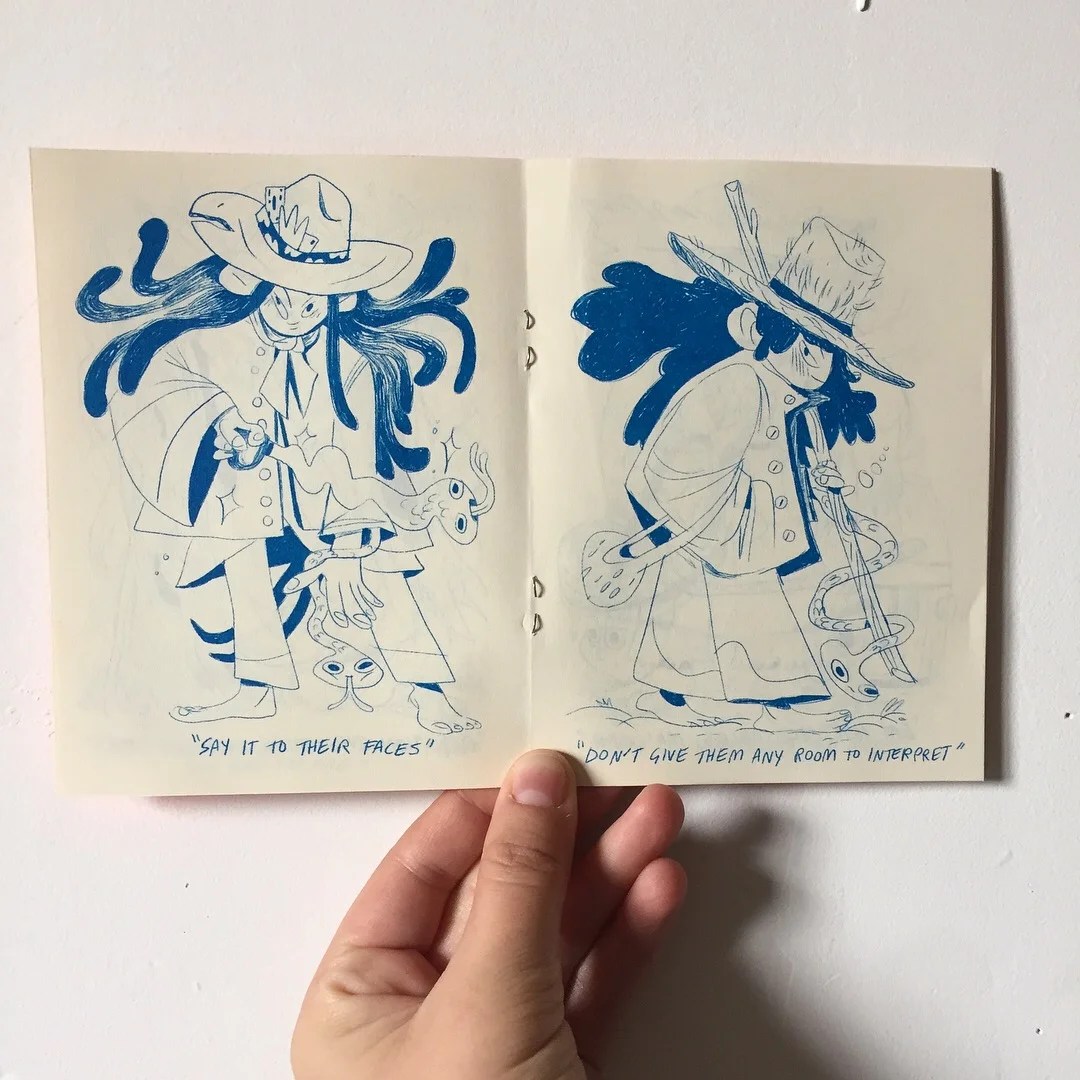
collection of character designs, magical girls, risograph, visual culture, portraits
The character designs on the zine’s pages are fun and give inspirational advice, and reflect the artist’s interests through the homage to magical girls. I love Natalie Andrews work, most of it being brightly, beautifully coloured risograph, and have followed it for a long time before finding out about this particular zine. The cover is my favourite part as it utilises all the fluorescent risograph inks I enjoy in her work, and its balanced design with lots of whimsical embellishments makes it a joy to look at.
Autumn Wild
casually informative, combination of writing, research, drawings and comics about different plant specimens, risograph, lettering, scientific illustration
Kristyna Baczynski’s handmade zine about interesting plant specimens combines illustration, typography, and accessibly simple but educational text that all work in combination to greater your knowledge and understanding of their historical, scientific and mythological facts. This is one zine in a collection all based on the different seasons, all printed in varying combinations of paper colours and risograph inks to suit the different aesthetics. Kristyna’s interest in the natural world is apparent through her dedication to this collection as well as its appearance in her other work.


ESSAY – THE IMPORTANCE OF VARIETY AND AUTHENTICITY WITHIN THE CULTURE OF ZINE MAKING
While some zines may focus on a seemingly simple topic, such as the visual theme of geese in Arthole, and others take a more introspective route to delve into important issues, such as Girls Gone Wild, I believe both are necessary and valuable in the world of zines within editorial illustration.
Fanzines for my special interests mean an indescribable amount to me, my Haikyuu Florescence zine has been stared at for hours on end as it combines my love for all the characters of the series with my passion for art, and so is a very cherished possession of mine. Broad simple topics in general allow a wider audience of connection, Arthole is great example of having a topic that may seem obscure and random to outsiders but has relevance and meaning to its creators; as a symbol of authenticity and freedom. More specific areas of exploration can be relevant to more niche communities, like those which zines were built from originally, as well as new ones developing constantly, and lets people within and outside of that community get a realer understanding of other people’s thoughts and feelings.
I don’t believe it is necessary to place one of higher merit than the other, if the artwork means something to anyone, even if just to the artist themself, it was worth being made. The whole point of zines is to create and share what you yourself find interesting, and someone’s interest in a tv show can be just as important to them as their interest in battling global warming, art for either has merit and worth.
 sneesbee